
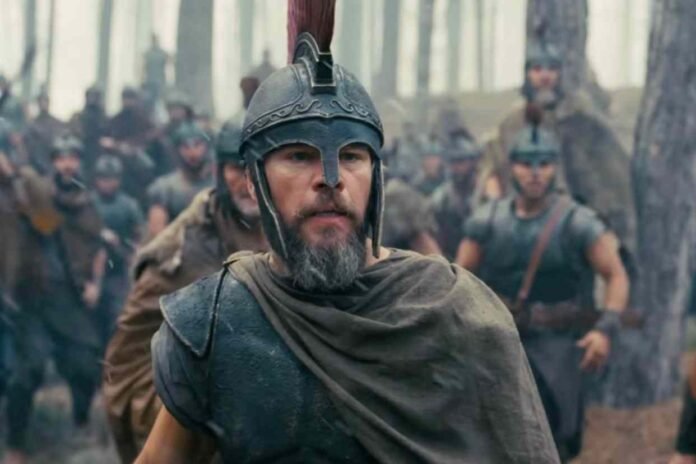
- Practical filmmaking and real locations are becoming major selling points for successful movies.
- Original films are performing better as audiences seek fresh stories beyond established franchises.
- Several franchise releases have faced criticism for visuals that appear overly dependent on digital effects.
- Viewers increasingly value authenticity and the effort behind filmmaking in the age of AI generated content.
Hollywood has spent years relying on digital effects, franchise formulas, and familiar intellectual property to keep audiences returning to theaters. Yet 2026 is shaping up to tell a different story. Some of the year’s biggest success stories have one thing in common. They look tangible, feel handcrafted, and proudly showcase the effort that went into making them.
Films such as The Odyssey, Project Hail Mary, Backrooms, and Obsession have attracted audiences not only because of their stories but also because they embraced practical filmmaking wherever possible. Their creators have openly shared how they built physical sets, shot in real locations, and pushed themselves to create believable worlds instead of depending entirely on computer generated imagery.
This growing appreciation for authenticity reflects a wider shift in audience expectations. Viewers no longer judge a movie only by its cast or franchise name. They are becoming increasingly interested in how a film was made and whether that production effort is visible on screen.
The Odyssey shows that ambition still matters
Christopher Nolan’s The Odyssey has become one of the strongest examples of this changing trend. Instead of relying heavily on digital environments, the production travelled to challenging real world locations to capture landscapes that naturally matched the epic scale of the story.
Nolan has openly discussed the physical demands placed on both the cast and crew during filming. His belief that an adaptation of The Odyssey should be difficult to make has resonated with many moviegoers. Rather than seeing those production challenges as unnecessary, audiences appear to view them as proof that the filmmakers were committed to delivering something truly cinematic.
That message has become part of the film’s identity. The production story itself has generated almost as much interest as the movie, adding another reason for viewers to experience it on the biggest screen possible.
A similar approach helped Project Hail Mary, where the filmmakers highlighted extensive practical work, puppetry, and carefully built sets. Although visual effects remained an important part of the movie, they supported rather than replaced the physical craftsmanship.
Even lower budget productions have benefited from this philosophy. Backrooms relied on practical environments despite limited resources, while Obsession created memorable horror sequences through inventive practical techniques instead of expensive digital effects. Their success suggests that creativity can often achieve more than simply increasing a visual effects budget.
Big franchises face growing criticism
The contrast becomes even clearer when compared with several major franchise releases this year.
Movies including Supergirl, Moana, The Mandalorian and Grogu, and Masters of the Universe faced criticism from viewers who felt their visuals appeared overly artificial. While these productions undoubtedly used practical elements alongside digital effects, much of the audience conversation focused on environments that seemed too polished or disconnected from reality.
Marketing also played a role. Some studios attempted to highlight practical effects after seeing positive reactions to competing films, but audiences appeared more interested in the final result than promotional claims. If a trailer looks dominated by digital imagery, viewers are unlikely to be convinced simply because behind the scenes footage reveals practical work.
Even highly anticipated releases have not escaped this criticism. Recent reactions to promotional footage from Avengers: Doomsday included comments suggesting that many scenes looked confined to studio environments rather than expansive cinematic locations. Whether those impressions are fair or not, they demonstrate how closely audiences now examine visual authenticity.
Authenticity has become part of the movie experience
The timing of this shift is significant. Artificial intelligence has made it easier than ever to generate convincing images and videos with minimal effort. As digital content becomes increasingly common, audiences appear to value visible craftsmanship more than ever before.
The production journey itself is becoming part of a film’s appeal. Stories about actors climbing remote mountains, crews enduring difficult weather, or directors insisting on real locations create a sense that viewers are paying for something unique rather than another digitally assembled spectacle.
Hollywood has always celebrated productions that demanded extraordinary commitment. Classics such as Lawrence of Arabia, Jaws, and Titanic became famous not only for their achievements but also for the challenges faced during filming. The difference today is that these stories are being shared before release, making the filmmaking process an important part of marketing.
Another noticeable trend is the growing success of original films. After years in which sequels, adaptations, and established franchises dominated the box office, several original productions have become major commercial successes. Their performance suggests audiences remain eager for fresh ideas when those ideas are presented with confidence and ambition.
It would be premature to declare the end of franchise dominance. Established brands will continue attracting large audiences, and blockbuster series remain an essential part of Hollywood’s business model. However, 2026 indicates that viewers are rewarding filmmakers who combine originality with visible craftsmanship.
If there is one lesson emerging from this year’s box office, it is that audiences increasingly appreciate movies that feel handmade, immersive, and worth leaving home to experience in a theater. Practical filmmaking alone does not guarantee success, but when combined with strong storytelling and genuine creative ambition, it is proving to be a powerful advantage.
Follow TechBSB For More Updates