
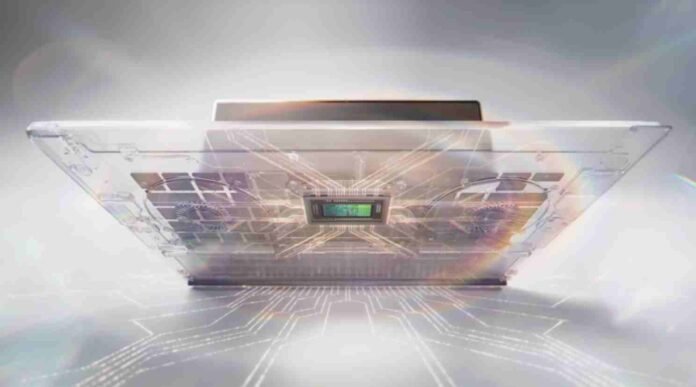
- Microsoft and NVIDIA introduced RTX Spark powered Windows PCs focused on AI, gaming and creative workloads.
- RTX Spark delivers up to one petaflop of AI performance with Blackwell graphics and up to 128GB unified memory.
- Windows has been optimized with better scheduling, memory management and Prism emulation enhancements.
- Devices from Surface, ASUS, Dell, HP, Lenovo and MSI are expected to launch later this year.
A New Generation of Windows PCs Built for AI, Creativity and Performance
Microsoft and NVIDIA have announced a major step forward for Windows computing with the introduction of RTX Spark powered devices. Revealed at NVIDIA GTC, the new platform is designed to deliver exceptional AI performance, advanced graphics capabilities and all day productivity in a thin and lightweight form factor.
The launch marks the latest chapter in the long standing collaboration between the two companies. From gaming technologies such as DirectX and RTX to AI workloads running on Azure, Microsoft and NVIDIA have spent years building a connected ecosystem. RTX Spark powered Windows PCs are now bringing that partnership directly to developers, creators and power users.
The goal is simple. Modern users need machines capable of handling demanding creative projects, running sophisticated AI models and supporting a growing generation of intelligent software agents. Microsoft believes combining Windows with NVIDIA’s latest silicon creates a platform ready for those challenges.
RTX Spark Brings Massive AI and Graphics Power
At the heart of these new systems is NVIDIA RTX Spark, a platform capable of delivering up to one petaflop of AI performance. It combines Blackwell RTX graphics technology, Arm based processing cores and unified memory architecture to create a highly efficient computing platform.
RTX Spark can feature up to 6,144 Blackwell RTX cores, as many as 20 power efficient CPU cores and up to 128GB of unified memory. This combination is intended to provide enough horsepower for demanding AI development, advanced content creation and modern gaming workloads.
Microsoft has also optimized Windows specifically for RTX Spark. The company introduced workload profile scheduling enhancements that help Windows distribute tasks more efficiently across available CPU resources. Whether users are handling everyday applications or running local AI agents, the operating system is designed to balance performance and efficiency more effectively.
Additional work on power and thermal management helps ensure these systems remain cool and energy efficient even during intensive workloads. Combined with DirectX 12 improvements, neural rendering technologies and enhanced ray tracing support, RTX Spark aims to deliver a premium gaming and creative experience.
Better Memory Management and Faster App Compatibility
One of the standout features of RTX Spark is its unified memory architecture. To fully utilize up to 128GB of shared memory, Microsoft has made several changes to Windows memory management.
The operating system now allows greater GPU access to system memory, making it easier to run larger AI models locally and work with more complex creative projects. Microsoft has also improved how Windows handles larger memory pages, helping boost performance for demanding workloads that rely on both CPU and GPU resources.
For software compatibility, Microsoft’s Prism emulation technology continues to play a critical role. Prism enables traditional x86 applications to run on Arm based systems and has received further optimization for RTX Spark hardware.
These improvements build on earlier enhancements, including support for AVX and AVX2 instruction sets. As a result, developers, creators and gamers should experience stronger performance even when using applications that have not yet been natively optimized for Arm processors.
A Stronger Platform for AI Agents and Developers
Microsoft sees AI agents as a major part of the future of personal computing, and RTX Spark powered PCs are being positioned as ideal hardware for that transition.
With powerful GPUs and large memory capacities, these systems are capable of running advanced agent based workloads locally. Microsoft is also introducing new security and containment technologies designed to give users greater control over how AI agents access data and perform actions.
NVIDIA’s OpenShell technology is expected to integrate with these Windows capabilities, enabling developers and creators to incorporate AI agents directly into their workflows while maintaining security and transparency.
The broader software ecosystem is also expanding rapidly. Popular creative applications such as Blender, DaVinci Resolve, Cinema 4D, Redshift, Photoshop and Premiere now offer native Arm support or additional RTX Spark optimizations. AI development tools including GitHub Copilot, Cursor, Claude Code and ComfyUI are also supported.
Gaming support continues to improve as well. Native anti cheat compatibility, expanded emulation support and Xbox PC integration help ensure access to a large catalog of games. Upcoming support for titles such as League of Legends, VALORANT and PUBG: Battlegrounds further strengthens the platform’s gaming credentials.
Surface Laptop Ultra Leads a New Wave of Devices
Microsoft confirmed that RTX Spark powered systems will arrive this fall across multiple manufacturers, including Surface, ASUS, Dell, HP, Lenovo and MSI.
Leading the lineup is the new Surface Laptop Ultra, a premium device aimed at creative professionals and developers who require sustained performance for demanding workloads such as rendering, compiling code and running local AI models.
The announcement extends beyond laptops. Microsoft also revealed plans to scale Windows to NVIDIA DGX Station for Windows, powered by the GB300 Grace Blackwell Ultra Desktop Superchip. This workstation class platform could support trillion parameter AI models locally, bringing data center level AI capabilities to enterprise desktops.
The broader vision is clear. Microsoft wants Windows to become the foundation for AI computing across every level of hardware, from portable laptops to advanced AI workstations, giving users more power while keeping data and workflows closer to home.
Follow TechBSB For More Updates