
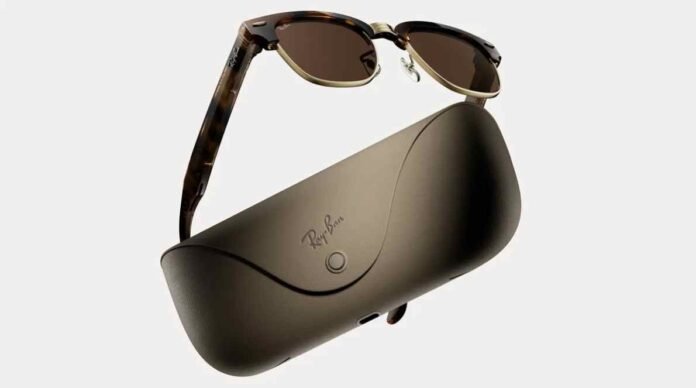
Meta is taking a different approach to smart glasses with its new Ray Ban Meta Audio glasses. Instead of adding cameras and pushing further into visual AI, the company has removed the cameras altogether and focused on audio, artificial intelligence, comfort and battery life.
The move comes as camera equipped smart glasses continue to attract privacy concerns. Meta has faced growing criticism over the possibility of people recording others without their knowledge, with some venues and organisations restricting the use of camera enabled smart glasses.
The new Audio model offers a simpler proposition. There are no cameras and no display. Instead, the glasses are designed primarily for listening to music, taking calls and interacting with Meta AI through audio.
Meta says the glasses can deliver up to 12 hours of battery life. That would represent a significant advantage for people who want to wear smart glasses throughout the day without constantly worrying about charging them.
The longer battery life is particularly interesting because removing the cameras should reduce some of the hardware and power demands associated with capturing and processing visual information. Whether the advertised figure translates into similar endurance during everyday use will depend on factors such as music playback, calls and AI usage.
Lighter design puts comfort first
Meta has also made the glasses lighter. The Ray Ban Meta Audio weighs around 43g, compared with approximately 49g for the lightest second generation Ray Ban Meta design.
That may not sound like a dramatic reduction, but weight matters when a device is worn on your face for several hours.
The new glasses also borrow some of the fit adjustments introduced with Meta’s prescription focused eyewear. These include ergonomic hinges and adjustable temple tips, which are intended to provide a more comfortable and secure fit.
The real test, however, will come with extended use. A short demonstration can tell you whether a pair of glasses feels comfortable initially, but wearing them for an entire working day is a different experience.
That distinction will be important for the Audio glasses because Meta is clearly positioning them as something people can wear for long periods.
Dolby Atmos could make audio the main attraction
Audio is another major part of the upgrade.
The Ray Ban Meta Audio glasses support Dolby Atmos, with Meta also highlighting improvements to their microphones and speakers. The company says the microphones can capture a more immersive sound environment, while the speakers are designed to reproduce that experience more effectively.
During demonstrations, the difference between standard stereo and Atmos audio was reportedly noticeable. That could make the glasses more appealing to people who are primarily interested in having discreet, wearable speakers rather than a camera based AI device.
This approach also gives Meta a clearer alternative to smart glasses that attempt to place a display or heads up interface directly in front of the wearer.
For some users, that may be more attractive. A display can be useful, but it also introduces another layer of information competing for your attention. Audio can provide notifications, music and AI assistance without requiring you to look at another screen.
A different answer to the privacy debate
The biggest change is obviously the removal of the cameras.
Meta has not positioned the Audio glasses as a direct response to criticism surrounding camera equipped smart glasses, but the timing is notable. Concerns about recording in public spaces have become one of the biggest obstacles facing smart glasses.
Removing cameras does not eliminate every privacy concern. The glasses still contain microphones, meaning they can capture audio from the wearer and potentially people nearby.
They also lose some of the functionality that makes camera equipped smart glasses particularly useful. Without cameras, the glasses cannot understand the visual environment in the same way. Features that rely on visual information will therefore remain exclusive to camera equipped models.
That makes the Audio glasses less capable in certain situations, but the trade off may be worthwhile for people who simply want smart audio and occasional AI assistance.
Meta is also continuing to develop camera equipped Ray Ban glasses, so this is not a replacement for its existing smart glasses strategy. Instead, the Audio model gives consumers another option.
The Ray Ban Meta Audio glasses are expected to launch on October 13 at $349 in the US, £319 in the UK and AU$529 in Australia.
Meta is also introducing hearing enhancement capabilities for its smart glasses, aimed at helping people with mild or moderate hearing loss. The feature is expected to cost $14.99 per month in the US or be included with a Meta One subscription.
That development shows where Meta sees another potential role for smart glasses. Rather than making them purely about cameras, displays or futuristic interfaces, the company is increasingly treating the glasses as a wearable audio and AI platform.
For consumers who want smart glasses without a camera, the Ray Ban Meta Audio could therefore be a much easier product to understand. They are essentially wearable speakers with AI capabilities, built into a familiar pair of glasses.
Follow TechBSB For More Updates