
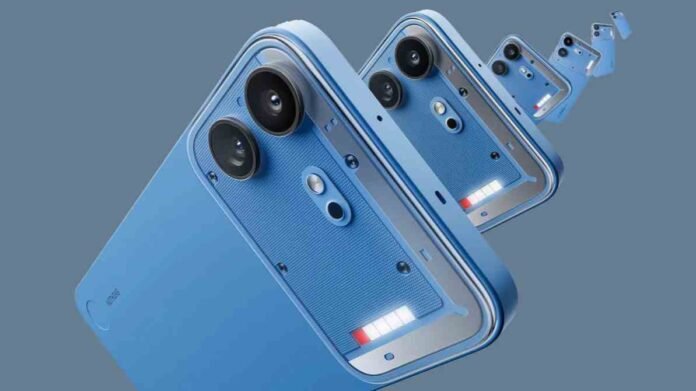
- Fairphone criticized the Nothing Phone 4b’s visible screws, claiming they are decorative rather than functional.
- The company says its own Fairphone 6 uses externally accessible screws for genuine user repairs.
- The Nothing Phone 4b offers a 6.77 inch 120Hz display, Snapdragon 6 Gen 4 chip, 5200mAh battery, and dual rear cameras.
- Independent teardown tests will determine whether the Phone 4b is truly repairable or simply adopts a repair inspired design.
The launch of the Nothing Phone 4b has sparked an unexpected conversation that goes beyond specifications and design. While the phone introduces a familiar transparent aesthetic with visible screws on its rear panel, Fairphone has publicly questioned whether those design elements actually serve a practical purpose.
Shortly after Nothing unveiled its latest budget smartphone, Fairphone took to Instagram with a playful but pointed response. The company suggested that while the Nothing Phone 4b appears to embrace a repairable design, the visible screws are not actually accessible without first removing a glued rear cover. In other words, they may contribute to the phone’s visual identity rather than making repairs easier.
The exchange has quickly become one of the most talked about moments following the Phone 4b announcement, especially among users who value sustainability and right to repair.
Fairphone Questions the Purpose of the Visible Screws
Fairphone’s response arrived through an Instagram Story featuring its own Fairphone 6. The image highlighted the device’s exposed and functional screws alongside the message that every screw on a Fairphone serves a real purpose. It then took a lighthearted swipe at Nothing by adding, “Next time, maybe the screws can be outside?”
The remark was humorous, but it also reflected Fairphone’s long standing philosophy. The company has built its reputation around producing smartphones that owners can repair themselves with minimal effort. Components such as the battery, cameras, display, speakers, and charging port can typically be replaced using basic tools, extending the device’s lifespan and reducing electronic waste.
Nothing, meanwhile, has focused on creating distinctive smartphones that stand out visually. Transparent backs, Glyph lighting, and exposed looking hardware have become signature design elements for the brand. However, Fairphone’s criticism raises an important question about whether appearance should also deliver practical benefits.
Repairability Is Becoming a Bigger Selling Point
At the center of the debate is repairability.
Although the Nothing Phone 4b has not yet undergone a complete teardown, early observations suggest that reaching the visible screws requires removing a glued back panel first. If that proves true, replacing internal components may not be as straightforward as the phone’s appearance initially suggests.
By comparison, the Fairphone 6 was specifically engineered with repairs in mind. Owners can access internal components by removing the external screws without dealing with heavy adhesives or specialized equipment.
This difference may seem minor to casual buyers, but it has become increasingly important as consumers keep their phones for longer periods. Governments and environmental organizations have also pushed manufacturers toward making electronics easier to repair instead of encouraging complete device replacement.
For buyers who prioritize long term ownership, repairability is now considered alongside battery life, camera quality, and software support.
Nothing Phone 4b Still Offers Competitive Hardware
Despite the criticism surrounding its design, the Nothing Phone 4b still arrives with a solid specification sheet for its expected price segment.
The smartphone features a 6.77 inch display with a 120Hz refresh rate, offering smoother scrolling and animations. It packs a 5200mAh battery supported by 33W wired charging for reliable daily use.
Photography duties are handled by a 50MP primary camera paired with a secondary 8MP ultrawide sensor. Powering the device is Qualcomm‘s Snapdragon 6 Gen 4 processor combined with 8GB of RAM, making it suitable for everyday multitasking, social media, streaming, and gaming.
Nothing has earned attention for combining clean software with unique industrial design, and the Phone 4b continues that approach. However, whether its construction allows for easy repairs remains a question that independent teardown experts will answer once retail units become available.
Real World Testing Will Decide the Debate
Fairphone’s social media jab has certainly attracted attention, but the final verdict will depend on practical testing rather than marketing claims.
Independent repair specialists are expected to examine the Nothing Phone 4b in the coming weeks to determine how easily users can replace common components such as the battery or display. Their findings will reveal whether the phone offers meaningful repairability or simply borrows the visual language of modular devices.
Until then, Fairphone has successfully shifted part of the conversation away from specifications and toward product longevity. As smartphone buyers become more conscious of sustainability and long term value, manufacturers may face increasing pressure to ensure that repair friendly design is more than just a styling choice.
For now, the Nothing Phone 4b remains an interesting new budget smartphone, while Fairphone has reminded the industry that genuine repairability is defined by accessibility, not appearance.
Follow TechBSB For More Updates