
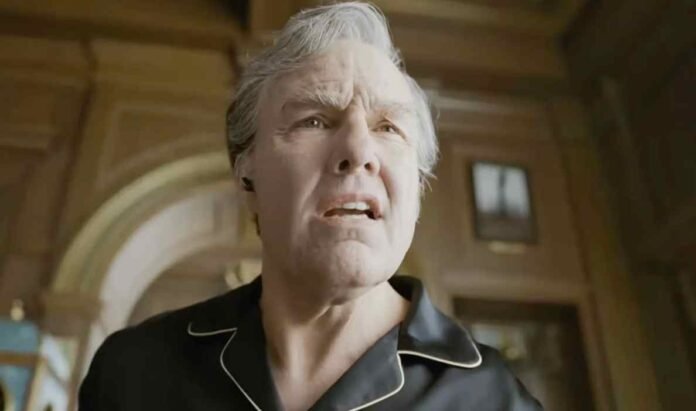
- Digger Rockwell is not Tom Cruise’s real character. Cruise plays actor Curtis Markson, who portrays Digger in a stage play.
- The play Fossil Fools is based on real events involving the fictional world’s original Digger and his family’s role in an environmental disaster.
- Curtis finishes the play and learns that his missing daughter has been found, giving him a brief moment of relief.
- The final scene reveals that the devastated world shown in the play has become reality, turning the ending into a warning about climate catastrophe.
Alejandro González Iñárritu’s Digger spends much of its runtime looking like an outrageous climate satire starring Tom Cruise as oil billionaire Digger Rockwell. Then the film pulls the rug out.
What appears to be a bizarre story about an oil tycoon, a US president and an environmental disaster turns out to be something much more complicated. The characters we have been following are actors, the events are part of a stage production, and the real tragedy sits somewhere underneath the performance.
The twist does not simply exist to surprise the audience. It changes the meaning of almost everything that came before it and sets up the film’s much darker final act.
The biggest twist: Digger is actually a play
For much of the first half, Cruise appears to be playing Digger Rockwell, an enormously wealthy oil magnate whose actions eventually contribute to a worldwide environmental catastrophe.
The strange tone of the movie becomes increasingly difficult to ignore. Things look exaggerated, situations become increasingly theatrical, and then comes the moment that finally reveals what is happening.
During a meeting with the US president, a tree falls outside the house. A giant person suddenly walks into view and puts the tree back where it was.
That is the clue that breaks the illusion.
The movie then reveals that what audiences have been watching is actually a stage production called Fossil Fools. Cruise is not really Digger Rockwell. He is actor Curtis Markson, performing the role in a satirical play.
The elaborate sets, oversized props and deliberately exaggerated situations suddenly make sense. What initially looked like an intentionally strange movie world is actually the world of a theatre production.
That revelation also explains why the performances have such a heightened quality. The characters are not simply living through these events. They are performing them.
The play is based on a real catastrophe
The second layer of the twist is even more important.
Within the world of Digger, the story of Digger Rockwell is not fictional. The real Digger existed decades earlier, and the play is based on the events surrounding his family and the environmental disaster that followed.
That means Fossil Fools is not inventing the central catastrophe. It is turning a painful piece of history into satire.
The people involved in the production are therefore trying to do more than entertain an audience. They are attempting to revisit a disaster and make people confront the consequences of corporate greed and environmental destruction.
Jesse Plemons plays Kenny, the financier behind the production. He eventually reveals that he is the nephew of the real Digger Rockwell.
Kenny’s connection to Digger gives the play another layer. He is not simply financing an unusual theatrical production. He believes the story of his own family needs to be told.
That also explains why the production matters so much to him, despite the uncomfortable subject matter.
Curtis’s personal story changes the ending
While Fossil Fools is dealing with a historical climate catastrophe, Curtis is dealing with a crisis of his own.
His daughter has disappeared after boarding a flight during severe weather. Throughout the backstage portions of the film, Curtis worries about whether she is safe.
That storyline initially feels separate from the events happening on stage. By the end, however, the two stories begin to overlap.
During the premiere, Curtis performs the final scenes of Fossil Fools. Digger and his family have been isolated from society and left on an old oil rig after the environmental collapse.
Digger eventually hallucinates a fully stocked refrigerator. He leaves the rig and shares a quiet moment with the young Kenny before dismissing him.
He then jumps from the rig into the water.
Curtis emerges from the water tank backstage to enormous applause. The audience believes it has just witnessed the climax of the play.
Then Curtis’s wife arrives with good news. Their daughter has been found and is expected to arrive safely.
For a moment, the movie seems to offer some relief.
That moment does not last.
The final scene delivers the real warning
An alarm suddenly sounds inside the theatre.
The audience and performers put on gas masks. The doors open, finally giving viewers a glimpse of the world outside the theatre.
It is devastated.
The sky is grey. Streets are flooded. The environment is barely recognizable. Drones hover overhead while unrest and graffiti fill the background.
One message reads, “compliance is freedom.”
This is where the film’s central idea becomes clearest.
The play may be fiction within the story, but the consequences it depicts have become reality.
The audience has spent the movie watching a theatrical recreation of an environmental catastrophe. When the doors open, the distinction between performance and reality effectively disappears.
The final alarm reinforces that idea. It is the same sound used during the stage production, only louder and more immediate. The implication is unsettling: the audience inside the theatre may have been watching a warning about the future while already living in its aftermath.
The ending therefore is not simply about whether Digger dies. His fate is almost secondary.
The real ending is the world outside the theatre.
Digger uses its elaborate twist to move from an absurd story about an oil billionaire into something closer to a warning about what happens when environmental destruction becomes normalized.
The film’s bleakness comes from the fact that the characters can still applaud a performance about catastrophe while catastrophe continues beyond the theatre doors.
The stage has come down, but the crisis has not.
Follow TechBSB For More Updates

