
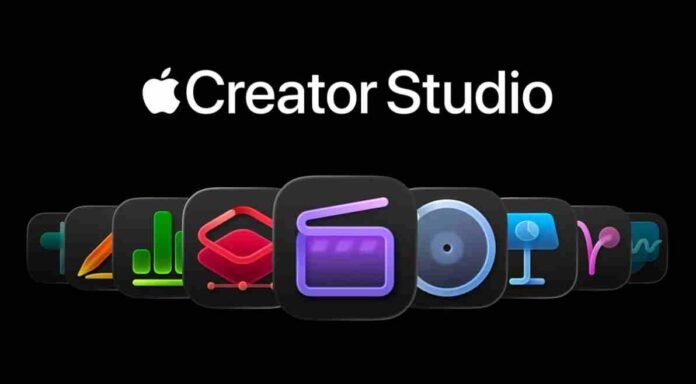
- Apple bundles like Creator Studio and Apple One offer value but provide very little flexibility.
- Users often pay for several apps and services they never actually use.
- A customizable build your own bundle would create a better customer experience.
Apple has steadily shifted many of its software and services toward subscription-based access. From iCloud+ and Apple Music to Apple TV+ and the recently introduced Creator Studio, the company is clearly investing in recurring revenue instead of one-time purchases. While bundled subscriptions can help users save money, they also expose a growing problem. Apple gives customers very little control over what they actually pay for.
The idea behind bundles is simple. Combine several apps or services under one monthly fee and make the package look more attractive than buying everything separately. That works well if you genuinely use every included product. The issue begins when your needs fall somewhere in between Apple’s carefully designed subscription tiers.
For a company that prides itself on delivering personalized experiences, Apple’s subscription strategy feels surprisingly inflexible.
Creator Studio Is Attractive but Not for Everyone
Creator Studio is Apple’s latest attempt to package its professional creative software into a single subscription. The collection includes Final Cut Pro, Logic Pro, Pixelmator Pro, Motion, Compressor, MainStage, Pages, Numbers, and Keynote.
On paper, the package makes sense. Buying apps like Logic Pro or Final Cut Pro outright can be expensive, so a monthly subscription lowers the initial cost for creators who want access to professional tools without making a large upfront investment.
Apple has also enhanced its productivity apps by including premium templates, royalty free graphics, and AI powered features for subscribers. That adds value beyond the standard versions already available for free.
However, the package assumes every creative professional has identical requirements. That simply is not how people work.
A video editor may only need Final Cut Pro and Motion. A music producer might only use Logic Pro and MainStage. A graphic designer could be interested only in Pixelmator Pro. Yet Apple offers just one complete package, forcing users to subscribe to software they may never open.
The subscription becomes harder to justify when a significant portion of the bundle goes unused month after month.
Apple One and Creator Studio Do Not Work Together
The problem becomes even more noticeable when Creator Studio is compared with Apple One.
Apple One combines services like iCloud+, Apple Music, Apple TV+, Apple Arcade, Apple Fitness+, and Apple News+ into different pricing tiers. It works well for customers deeply invested in Apple’s ecosystem, but it creates an awkward situation for anyone who also needs creative software.
Imagine someone who wants Final Cut Pro, Logic Pro, Apple Music, Apple Fitness+, and Apple News+. There is no single subscription that covers those exact choices.
Instead, users are forced to subscribe to both Creator Studio and a higher tier of Apple One, paying for multiple services they never intended to use. The combined monthly cost quickly rises while much of the subscription remains untouched.
That defeats one of the biggest promises of subscription bundles, which is paying only for the value you receive.
Ironically, Apple’s ecosystem is known for simplicity, yet its subscription structure often feels unnecessarily complicated.
A Build Your Own Bundle Would Be a Smarter Approach
Apple already has the technology and infrastructure to manage subscriptions across millions of customers. That makes the current lack of flexibility even more surprising.
A better solution would be a modular subscription system where users can build their own bundle.
Customers could select the exact apps and services they want, whether that includes Logic Pro, Pixelmator Pro, Apple Music, Apple Fitness+, or extra iCloud storage. Apple could even introduce pricing incentives where adding more products unlocks better discounts.
Such an approach would benefit both sides.
Users would only pay for software they actually use, making subscriptions feel more worthwhile. Apple would likely attract customers who currently avoid subscriptions because existing bundles include too much unnecessary content.
Individual app subscriptions could also help. Pixelmator Pro, for example, could be offered as a standalone monthly plan instead of forcing users to choose between buying it outright or subscribing to the entire Creator Studio package.
This kind of flexibility is common across other digital services, yet Apple continues to favor fixed subscription tiers.
Apple Has an Opportunity to Improve the Experience
There is no indication that Apple plans to redesign its subscription strategy anytime soon. The company appears comfortable with its current approach, and recurring subscriptions remain an increasingly important part of its business.
Still, customer expectations are changing. People are becoming more selective about recurring payments and are increasingly looking for services that match their specific needs instead of oversized bundles packed with extras.
Apple’s existing subscriptions certainly offer value for users who take full advantage of everything included. But many customers fall outside that category.
As Apple continues expanding its software portfolio, flexibility may become just as important as pricing. A customizable subscription model would better reflect the diverse ways people use Apple’s products today while reducing the frustration of paying for apps and services that never become part of their workflow.
At a time when subscription fatigue is becoming a real concern across the technology industry, giving customers more control could be one of Apple’s smartest moves.
Follow TechBSB For More Updates