
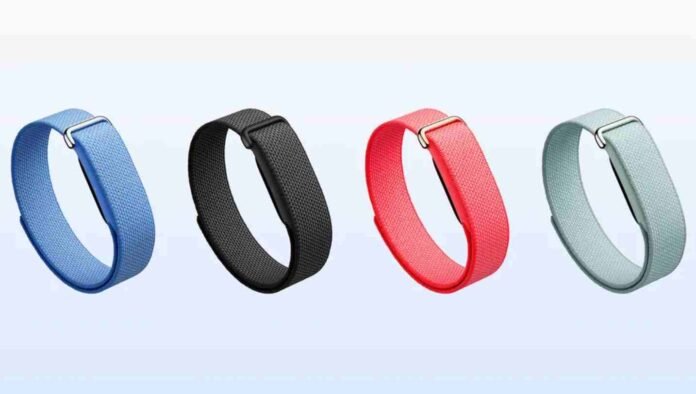
The Google Fitbit Air arrives at a time when screenless fitness trackers are gaining serious momentum. Consumers increasingly want devices that quietly monitor their health without adding another screen to their daily lives. Google has clearly taken notice, delivering a lightweight fitness band that focuses on passive tracking, long term wellness, and AI driven insights.
At first glance, the Fitbit Air feels like a return to Fitbit’s roots. Before smartwatches became the company’s primary focus, Fitbit built its reputation on simple devices that tracked activity without demanding constant attention. The Air embraces that philosophy, offering a comfortable and unobtrusive experience that works best when you simply wear it and forget about it.
While the hardware impresses, the software tells a more complicated story. The Google Health app introduces ambitious AI features, but its confusing layout often makes accessing information harder than it should be.
Comfortable Design That Disappears on Your Wrist
The strongest aspect of the Fitbit Air is undoubtedly its design. Weighing just 12 grams, the tracker feels almost invisible throughout the day and night. Its slim profile sits comfortably on the wrist, making it particularly appealing for sleep tracking.
Unlike traditional smartwatches that can feel bulky during bedtime, the Fitbit Air remains comfortable even during extended wear. The minimalist, screenless approach also gives it a cleaner and more discreet appearance. From a distance, it looks more like a simple wristband than a piece of wearable technology.
Google offers multiple strap options to suit different preferences, ranging from sporty silicone bands to woven and premium style alternatives. Regardless of the chosen band, the overall experience remains lightweight and comfortable.
The device also includes subtle vibration alerts for alarms and notifications, keeping interactions simple and distraction free.
Accurate Tracking Delivers Reliable Results
When it comes to health monitoring, the Fitbit Air performs impressively well. Heart rate tracking consistently delivers dependable results during workouts, daily activities, and periods of rest.
Sleep tracking is another standout feature. The tracker records sleep stages, recovery metrics, and overall sleep quality with a level of consistency that rivals far more expensive devices. Daily Readiness scores help users understand whether their body is prepared for intense activity or would benefit from additional recovery.
The device also supports advanced wellness features, including irregular heart rhythm notifications and background atrial fibrillation monitoring. These additions provide meaningful health insights beyond basic step counting and calorie tracking.
For general wellness users, the Fitbit Air covers all the essentials without requiring constant interaction. It excels as a passive health companion that quietly collects meaningful data in the background.
AI Health Coach Is Both the Best and Worst Part
Google’s biggest innovation here is the AI Health Coach. For users who enjoy conversational interfaces, it can be genuinely useful.
The coach goes beyond simply displaying metrics. It analyzes trends, remembers previous conversations, adapts recommendations, and even responds intelligently to personal health updates. During testing, it demonstrated an ability to adjust advice based on illness, workout history, and lifestyle changes.
Food logging is another area where the AI shines. It can identify packaged foods from photos with impressive accuracy and generate nutritional estimates for homemade meals when provided with sufficient context.
The challenge is that the AI often becomes the center of the entire experience. Instead of quickly displaying important health information, the app frequently wraps data inside lengthy summaries and explanations. Users who simply want immediate access to their numbers may find this approach frustrating.
The AI is capable, but it sometimes feels like it gets in the way of the information users actually want.
A Frustrating App Holds Back Great Hardware
The redesigned Google Health app is easily the Fitbit Air’s biggest weakness.
Health metrics, fitness data, sleep information, and wellness content are spread across multiple sections that lack clear organization. Finding specific features often requires unnecessary searching, and navigation never feels as intuitive as competing platforms.
The app appears heavily optimized around AI interactions, almost encouraging users to ask the chatbot for information instead of locating it manually. While that approach may appeal to some users, it creates friction for everyone else.
Without a Premium subscription, the experience also feels somewhat restricted. Core tracking remains available, but many advanced features, coaching tools, workout content, and wellness resources sit behind a recurring paywall.
The result is a platform that feels powerful yet unnecessarily complicated.
Verdict
The Google Fitbit Air is one of the most interesting fitness trackers Fitbit has released in years. Its lightweight design, excellent comfort, and reliable health tracking make it an attractive alternative to more expensive screenless wearables.
The AI Health Coach demonstrates genuine potential and offers a level of personalization that many competitors struggle to match. However, the cluttered app experience and subscription dependent features prevent the package from reaching its full potential.
For users seeking a comfortable, low maintenance wellness tracker, the Fitbit Air is easy to recommend. For those who value clean interfaces and instant access to data, the software may prove harder to love.
Follow TechBSB For More Updates

