
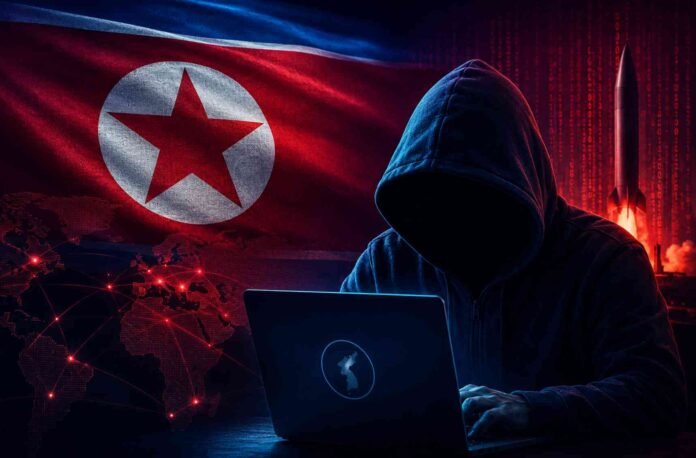
North Korea has emerged as one of the most aggressive cyber actors targeting the global technology sector, with a new CrowdStrike report revealing that nearly half of all state sponsored attacks against US technology companies were linked to a single North Korean group.
The threat group, known as Famous Chollima, accounted for 47% of observed state sponsored cyber intrusions targeting the tech industry. Security researchers say the group’s operations have evolved significantly, allowing its members to blend into legitimate workforces while generating substantial revenue for the North Korean regime.
Rather than relying solely on traditional hacking methods, the group has refined a strategy centered on securing remote technology jobs at Western companies. Once inside organizations, operatives gain access to valuable systems, data, and intellectual property while earning salaries that ultimately benefit the state.
AI Powered Identities Help Operatives Avoid Detection
One of the most concerning findings highlighted in the report is the increasing use of artificial intelligence to create convincing digital identities.
North Korean operatives are reportedly using AI generated images and enhanced personal profiles to strengthen fake job applications. These fabricated identities are often supported by stolen or fraudulently obtained documents, including passports and driver’s licenses, allowing applicants to pose as citizens of the countries they are targeting.
The use of advanced AI tools has made it increasingly difficult for recruiters and hiring managers to distinguish genuine candidates from malicious actors. As remote hiring continues to expand across the technology sector, cybersecurity experts warn that organizations face growing challenges in verifying applicants and identifying suspicious activity before employment begins.
Researchers note that these schemes are no longer isolated incidents. Instead, they have become a structured and highly organized component of North Korea’s broader cyber strategy.
Salaries and Stolen Data Fuel Strategic Programs
The financial rewards generated through these employment schemes are significant. Successful operatives can secure salaries that are dramatically higher than average incomes within North Korea, creating a steady stream of revenue that can be redirected by the government.
According to security experts, the proceeds from these operations are believed to support the country’s weapons development efforts, including programs related to weapons of mass destruction. The combination of international sanctions and economic isolation has pushed North Korea to seek alternative sources of funding, with cyber operations becoming a key contributor.
However, the financial aspect is only part of the threat. Once employed, operatives often gain access to proprietary information, software code, business strategies, and sensitive intellectual property. Such information can be leveraged to strengthen domestic technological capabilities or support future cyber campaigns.
In some cases, individuals linked to these operations have allegedly attempted to extort employers after their identities were uncovered. Organizations have reportedly faced threats that sensitive information or employment details would be exposed unless payments were made.
A Persistent Challenge for Global Businesses
North Korea’s cyber ecosystem includes several well known groups, with the Lazarus Group among the most recognized. However, the rise of Famous Chollima demonstrates how cyber threats continue to evolve beyond conventional hacking campaigns.
The growing sophistication of AI assisted identity creation, combined with the popularity of remote work, has created new opportunities for threat actors to infiltrate businesses through legitimate hiring channels. Security experts believe organizations must strengthen identity verification processes, improve employee screening procedures, and closely monitor access privileges for remote workers.
Follow TechBSB For More Updates

