
When Apple introduced the iPhone 15 Pro lineup in 2023, titanium became one of the devices’ biggest selling points. The company highlighted the material’s strength and lightweight nature, positioning it as a major step forward for premium smartphone design. Titanium helped Apple create its lightest Pro iPhones at the time while adding a more refined and durable feel.
Two years later, however, Apple quietly changed course. The iPhone 17 Pro and iPhone 17 Pro Max no longer feature the titanium construction that defined their predecessors. Instead, Apple adopted a redesigned aluminum based structure. While the company never directly explained why titanium was dropped, the answer becomes clear when looking at the goals behind the iPhone 17 Pro redesign.
Cooling and Performance Became the Priority
One of the biggest challenges Apple faced after launching the iPhone 15 Pro series was heat management. Early users reported overheating issues, particularly during demanding tasks such as gaming and intensive processing. Although software updates addressed many of the concerns, thermal performance remained an area where Apple could improve.
The iPhone 17 Pro series introduces a vapor chamber cooling system, a technology commonly found in high end Android smartphones. This system is integrated directly into an aluminum unibody chassis, allowing heat to spread more efficiently throughout the device.
Aluminum conducts heat significantly better than titanium. That advantage makes it a more practical choice for smartphones powered by increasingly powerful processors. With the A19 Pro chip generating greater sustained performance, effective heat dissipation became essential.
Apple’s new design allows the vapor chamber and aluminum structure to work together as a unified cooling solution. The result is better sustained performance during gaming, video editing, and AI workloads without excessive heat buildup.
Aluminum Offers More Than Better Cooling
The switch to aluminum was not made solely for thermal reasons. It also gave Apple greater flexibility in redesigning the internal structure of the iPhone.
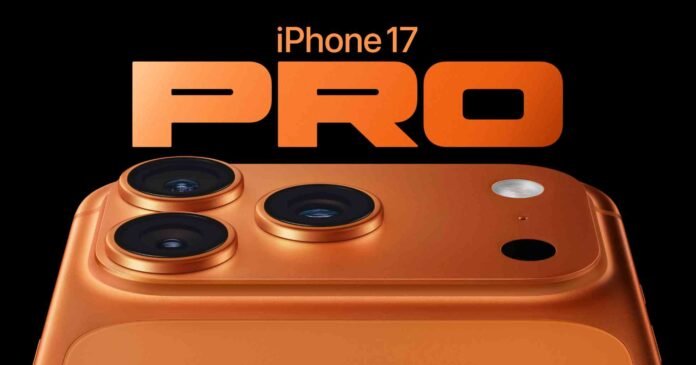
The iPhone 17 Pro features a larger camera housing that accommodates additional hardware while freeing up internal space elsewhere in the device. This redesign enabled Apple to fit larger batteries, helping improve battery life across the lineup.
Manufacturing also plays a role. Aluminum is easier and less expensive to machine than titanium. Producing complex components with aluminum requires less time and fewer resources, which can help streamline production at scale.
Another benefit is antenna integration. Apple incorporated an improved antenna system directly into the outer frame of the device. This design enhances connectivity while maintaining a clean exterior appearance.
Color options also benefited from the material change. Aluminum supports a wider range of vibrant finishes, allowing Apple to introduce bold new color choices that would have been more difficult to achieve with titanium.
Is Titanium Gone for Good?
Despite removing titanium from the Pro models, Apple has not completely abandoned the material. The iPhone Air continues to use a titanium frame, demonstrating that the company still sees value in the metal under certain circumstances.
For ultra thin devices, titanium provides an excellent balance between strength and weight. The iPhone Air measures just 5.6 mm thick, making structural rigidity a major concern. Titanium helps maintain durability without adding unnecessary bulk.
This strategy suggests Apple is now using materials based on product specific needs rather than applying a single solution across its entire lineup. Aluminum appears better suited for performance focused Pro devices, while titanium remains useful for products where thinness and structural strength are top priorities.
Industry rumors also indicate that Apple’s upcoming foldable iPhone could incorporate titanium in parts of its frame or hinge mechanism. Foldable smartphones place unique demands on durability, making titanium a logical choice for key structural components.
A Practical Shift Rather Than a Step Back
At first glance, Apple’s move away from titanium may seem surprising given how heavily the company marketed the material just a few years ago. However, the decision reflects changing priorities rather than a downgrade.
The iPhone 17 Pro was designed around improved cooling, stronger sustained performance, longer battery life, and a more flexible internal layout. Aluminum helped Apple achieve those goals more effectively than titanium could.
Rather than chasing premium materials for marketing purposes, Apple appears to be focusing on what delivers the best real world performance. Titanium still has a place within the company’s product strategy, but for the Pro lineup, aluminum currently offers the advantages that matter most.
Follow TechBSB For More Updates