
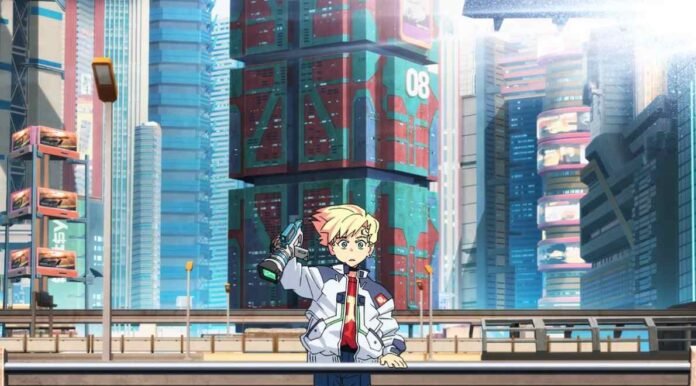
Cyberpunk Edgerunners Season 2 brings viewers back to the neon soaked streets of Night City, where ambition, violence and technological excess continue to shape the lives of those struggling to survive. Studio Trigger faces the difficult task of following one of the most celebrated animated series of recent years, but the new season finds its own direction with a fresh cast, an engaging narrative and the kind of inventive animation that made the original such a memorable experience.
Rather than relying on familiar characters to recreate the success of the first season, the series explores a different corner of the Cyberpunk universe. The result is a story that feels connected to its predecessor without simply repeating its biggest moments.
A New Story With Familiar Night City Dangers
Following the success of the original series, expectations for Cyberpunk Edgerunners Season 2 are understandably high. The first season established a distinctive combination of emotional storytelling, brutal action and futuristic world building. Reaching that standard again was never going to be straightforward.
Instead of continuing directly from the previous story, Season 2 takes an anthology approach. The events of the original remain part of Night City’s history, and David Martinez has become a legendary figure whose reputation still influences the people living there. However, the new season does not revolve around bringing back Lucy or revisiting the old crew’s unfinished business.
The focus shifts to four new characters: Roman, an aspiring videographer; Talia, a rebellious figure fascinated by cybernetic enhancements; King, a survivor of cyberpsychosis; and D, a netrunner driven by revenge.
Their individual motivations gradually intersect as the story unfolds. Each character brings a different perspective to a city where personal ambitions frequently collide with corporate power, criminal factions and the consequences of technological obsession.
This change gives the series room to explore fresh conflicts while preserving the atmosphere that defines the franchise. Viewers familiar with the first season will recognise its underlying concerns, including the struggle to escape poverty, the pursuit of personal freedom and the dangers of trying to become someone important in a system designed to exploit people.
The narrative also maintains a steady pace. Although the story follows several characters, their journeys remain easy to track, and the series gives each of them enough attention to establish their motivations and relationships.
Newcomers should find the story relatively accessible. Watching the first season is not strictly necessary to understand the new cast, but returning viewers will have a stronger appreciation of Night City’s history and the consequences of the events that came before.
Studio Trigger Makes Every Frame Count
Animation remains one of the series’ biggest strengths, and Studio Trigger once again demonstrates its ability to make action feel unpredictable and visually distinctive.
Combat in Night City is rarely clean or controlled. Gunfights are sudden, confrontations can turn gruesome in seconds, and the characters’ cybernetic abilities create opportunities for spectacular visual sequences. Rather than allowing these encounters to blur together, the animation gives each fight its own identity.
The difference comes down to the studio’s willingness to experiment with movement, composition and visual effects. Explosive confrontations are punctuated by striking images, abrupt shifts in perspective and carefully constructed moments of violence. The result is action that feels energetic without becoming difficult to follow.
Graphic combat is part of the show’s identity, but the animation is not impressive simply because it depicts violence. Its greatest strength lies in how it communicates the personalities and abilities of the people involved. Each encounter contributes something to the experience instead of serving as another interchangeable fight scene.
The quieter sequences are equally important. Roman’s recordings feature a grainy film aesthetic that gives his footage a distinctive texture, creating an interesting contrast with the advanced technology surrounding him. D’s traumatic memories take a different visual approach, using simplified colours, blocky shapes and silhouettes to convey the fragmented nature of those experiences.
These stylistic changes help the series communicate information that dialogue alone might struggle to express. They also make the world feel more personal, showing how different characters perceive and process their surroundings.
There is room for humour, too. Roman’s exaggerated reaction to discovering a rare 35mm camera provides a welcome break from the bleakness of Night City. His excitement feels deliberately over the top, but it also reveals something important about his character. He still has a sense of wonder that the city’s harsh realities have not completely erased.
That contrast gives the animation greater emotional range. The show can move from spectacular violence to an intimate character moment without losing its visual identity.
Familiar Themes, Different Characters
Although Season 2 introduces new faces and conflicts, it retains the themes that made the original series resonate with viewers.
Night City is a place where dreams can be expensive and survival often comes at a personal cost. Young characters arrive with ambitions that seem achievable at first, only to discover that the systems surrounding them are designed to take advantage of their vulnerabilities.
The new cast reflects different sides of that struggle. Roman’s curiosity offers a glimpse of what the city might look like to someone who still believes there is something worth discovering. Talia’s obsession with cybernetic enhancement connects to the franchise’s wider fascination with the relationship between technology and identity. King’s experiences point towards the lasting damage caused by cyberpsychosis, while D’s desire for revenge introduces another source of tension.
Their stories echo aspects of the original crew without making the new characters feel like simple replacements. That distinction matters because a second season built entirely around familiar dynamics could have struggled to justify its existence.
Instead, the anthology format allows the writers to examine similar ideas from different angles. The people may change, but the pressures that shape their lives remain stubbornly familiar.
There is also an underlying sense of tragedy hanging over the narrative. Night City offers opportunities for those willing to take risks, but it rarely allows anyone to escape the consequences. Longstanding grudges, competing factions and personal ambitions create an environment where even understandable decisions can lead to devastating outcomes.
For viewers who appreciated the first season’s emotional weight, this thematic continuity should feel reassuring. The new story has its own identity, but it understands that Cyberpunk is about more than futuristic weapons, advanced implants and spectacular destruction.
Should You Watch Cyberpunk Edgerunners Season 2?
Cyberpunk Edgerunners Season 2 makes a convincing case for returning to Night City. Its new characters provide a fresh perspective on a familiar setting, while Studio Trigger’s animation brings considerable energy and visual variety to the story.
The anthology approach also makes the series a relatively approachable entry point for viewers who have not watched the original. The central characters and their conflicts are different, and the narrative does not depend on a direct continuation of David’s story.
Even so, skipping Season 1 would mean missing an important part of what makes the franchise compelling. The original provides a stronger understanding of Night City’s culture, its dangers and the legacy that continues to shape the world of the second season.
For anime fans, the animation alone offers plenty to appreciate. For viewers more interested in character driven drama, the new cast and familiar themes provide a reason to stay invested beyond the action.
Ultimately, Season 2 succeeds by understanding what made the original memorable without attempting to recreate it scene for scene. It offers another look at a world where technology promises freedom but often creates new forms of control, and where chasing a dream can be just as dangerous as abandoning one.
If you have yet to experience Cyberpunk Edgerunners, watching both seasons makes sense. The first establishes the emotional foundation, while the second expands the universe through a different set of experiences.
Night City has more stories to tell, and Studio Trigger once again demonstrates how much life, colour and unsettling beauty can be found in its darkest corners.
Follow TechBSB For More Updates