
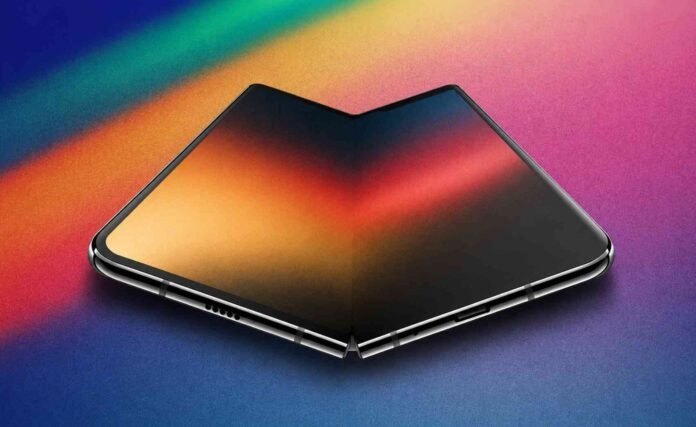
For years, reports of a foldable iPhone have surfaced at regular intervals, only for Apple to remain silent on the matter. That silence continues, but recent software changes and developer guidance from the company are painting a clearer picture than ever before. While Apple has yet to officially confirm a foldable handset, several developments unveiled around WWDC 2026 suggest the company may finally be preparing for a major shift in iPhone design.
The strongest clues are not coming from supply chain leaks or analyst predictions. Instead, they are emerging directly from Apple’s own software ecosystem.
Apple Expands Landscape Experiences Across iOS Apps
One of the most notable developments is Apple’s effort to redesign several of its native applications with improved landscape support. Recent updates have introduced more sophisticated layouts that make better use of wider displays rather than simply rotating the existing interface.
Apps including Apple Music, Reminders, Weather, Home, Podcasts, Fitness, Health, Shortcuts, Find My, Voice Memos, and the Apple Watch companion app have all received attention in this area. Many now feature navigation sidebars and layouts that feel purpose built for larger screens.
These design choices stand out because traditional iPhones rarely benefit from expansive landscape interfaces. A foldable device, however, would immediately take advantage of such layouts when unfolded into a tablet like form factor.
The coordinated nature of these updates suggests Apple is laying important groundwork across its software ecosystem before introducing new hardware capable of fully utilizing these experiences.
WWDC 2026 Sends a Clear Message to Developers
Additional evidence emerged during Apple’s WWDC 2026 developer sessions. During a presentation discussing updates in iOS 27, Apple encouraged developers to think beyond the standard dimensions associated with today’s iPhone models.
Company representatives highlighted the importance of designing applications that can adapt to a wider variety of screen sizes and aspect ratios. The messaging focused on flexibility and responsiveness, ensuring apps can scale smoothly across different display formats.
Such guidance may sound routine on the surface, but its timing is significant. Apple has traditionally maintained tight control over hardware dimensions, allowing developers to optimize for a relatively predictable range of devices. Encouraging broader display adaptability now suggests that more diverse form factors may soon join the iPhone lineup.
For developers, the message is straightforward. Future iPhones may not conform to the familiar dimensions users have known for years.
Software Preparation Often Comes Before Hardware Launches
Apple has a long history of preparing developers and software platforms ahead of major hardware introductions. Whether transitioning to larger displays, introducing new screen resolutions, or launching entirely new product categories, the company typically ensures its software foundation is ready first.
The current emphasis on adaptable interfaces follows that same pattern.
By refining native apps and encouraging developers to embrace flexible layouts, Apple appears to be reducing potential friction ahead of a future device launch. A foldable iPhone would require apps to transition seamlessly between compact and expanded display modes, making these preparations especially important.
This strategy would allow users to enjoy a polished experience from day one rather than waiting for developers to update their applications after launch.
Could the Foldable iPhone Be Called iPhone Ultra?
Alongside speculation about foldable hardware, questions remain about branding. While many observers continue to refer to the device as the iPhone Fold, several reports suggest Apple may choose a different name altogether.
Industry insiders increasingly point toward “iPhone Ultra” as a potential branding option. Apple has already used the Ultra designation across multiple product categories to represent premium experiences and cutting edge capabilities.
If the foldable model becomes Apple’s most advanced smartphone, the Ultra branding would fit naturally within the company’s existing naming strategy.
Although Apple has not confirmed either the product or its name, rumors continue to indicate a launch window around September 2026, potentially alongside the next generation of flagship iPhones.
For now, there is still no official announcement. Yet the growing number of software changes, developer recommendations, and industry reports are creating a compelling narrative. Apple may not be talking openly about a foldable iPhone, but its actions increasingly suggest that one is getting closer to reality.
Follow TechBSB For More Updates