
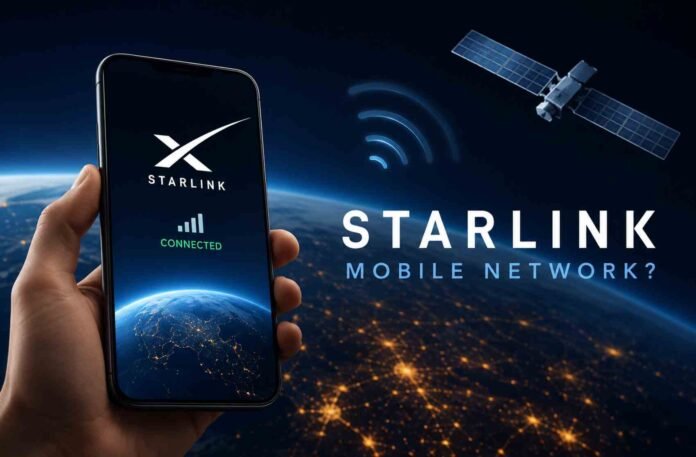
- SpaceX is reportedly considering launching a Starlink branded mobile network for consumers.
- Analysts believe partnering with existing wireless carriers is more practical than building a new network.
- Wireless spectrum acquired from EchoStar could strengthen SpaceX’s future mobile strategy.
- Starlink continues expanding its communications ecosystem with broadband, satellite services, and next generation satellites.
SpaceX appears ready to push beyond satellite broadband and step into one of the most competitive industries in the US. According to recent reports, the company is exploring plans to launch a Starlink-branded mobile network that could eventually compete with established wireless providers including Verizon, AT&T, and T Mobile.
While the idea has sparked excitement among Starlink followers, industry analysts believe the road ahead will be far from straightforward. Building a nationwide mobile network requires massive investment, extensive infrastructure, and years of deployment. That has led many experts to believe SpaceX may ultimately choose a more practical strategy instead of building everything from the ground up.
SpaceX May Be Looking Beyond Satellite Internet
Starlink has already transformed internet connectivity by delivering broadband through a growing network of low Earth orbit satellites. The service has expanded rapidly across multiple countries, bringing internet access to remote and underserved regions where traditional broadband options remain limited.
Now, reports suggest SpaceX wants to extend its communications business into mobile services. Unlike its satellite internet offering, however, a full consumer mobile network cannot rely entirely on satellites. Current satellite technology simply does not provide the capacity needed to handle millions of users making calls, streaming video, and using mobile data throughout the day.
Instead, the reported plan would involve combining Starlink’s satellite capabilities with traditional ground based wireless infrastructure. Such a hybrid approach could help SpaceX create a more comprehensive communications platform while continuing to use satellites where they offer the biggest advantage.
Wireless Spectrum Could Strengthen SpaceX Position
One reason the reports have gained attention is SpaceX’s reported acquisition of valuable wireless spectrum through a multibillion dollar agreement with EchoStar. Spectrum licenses are among the most valuable assets for any wireless company because they determine how mobile services can be delivered across different regions.
Industry observers believe this spectrum could provide SpaceX with several strategic options. The company could launch its own mobile virtual network, acquire an existing provider, or use the spectrum as leverage during negotiations with established carriers.
SpaceX already has experience working with traditional telecom companies. Its partnership with T Mobile has enabled satellite based emergency messaging services for compatible smartphones, demonstrating that satellite and terrestrial networks can work together when properly integrated.
That existing relationship also shows SpaceX is willing to collaborate with major carriers instead of directly competing with them in every area.
Analysts Believe Partnerships Make More Sense
Despite growing speculation, many telecom analysts remain cautious about the prospect of SpaceX building a nationwide mobile network from scratch.
The US wireless market is already dominated by well established companies with extensive infrastructure, millions of customers, and decades of network investment. Replicating that level of coverage would require building thousands of new cell towers, installing base stations, and maintaining a nationwide network capable of serving millions of subscribers.
Experts argue that such an undertaking would be extremely expensive, even for a company with SpaceX’s resources.
For that reason, analysts believe a partnership or mobile virtual network agreement remains the most realistic outcome. Under this model, SpaceX could offer Starlink branded mobile plans while using an existing carrier’s infrastructure, allowing the company to enter the market much faster and with significantly lower costs.
Some industry watchers also suggest that discussions about building an independent network could strengthen SpaceX’s bargaining position when negotiating future carrier agreements.
Starlink Continues to Expand Its Communications Ecosystem
Whether or not a dedicated Starlink mobile network becomes reality, SpaceX continues to broaden its communications ambitions.
The company is preparing more advanced Starlink satellites that promise improved performance and greater capacity. At the same time, support for satellite connectivity is becoming increasingly common on premium smartphones, allowing users to access emergency satellite features without additional hardware.
Combined with its rapidly growing broadband service, these developments point toward a future where Starlink offers a much wider range of connectivity services than satellite internet alone.
Although the reported mobile plans remain speculative, they highlight SpaceX’s long term vision of becoming a major communications provider across both satellite and terrestrial networks. Whether that future arrives through partnerships, acquisitions, or independent expansion remains to be seen, but the company is clearly positioning itself for a larger role in the wireless industry.
Follow TechBSB For More Updates