
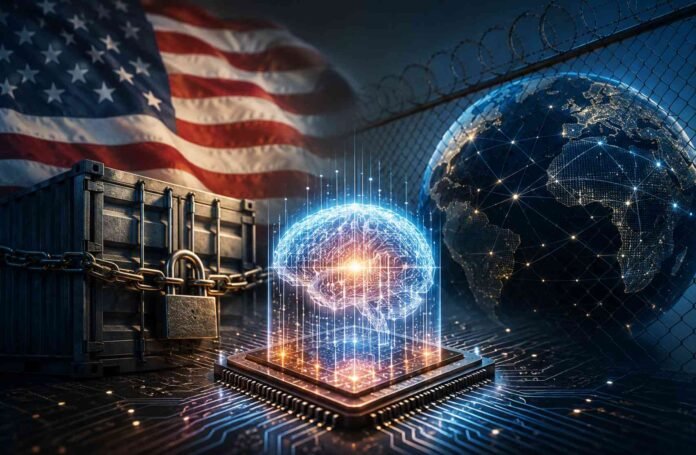
The debate over artificial intelligence regulation has taken a dramatic turn following the United States government’s decision to restrict foreign access to Anthropic‘s latest AI models. The move has sparked a heated discussion across Silicon Valley, Washington, and Europe, with critics questioning whether Anthropic’s long standing focus on AI risks helped create the conditions for the ban.
While no direct evidence suggests the company requested such restrictions, the controversy highlights the growing tension between promoting AI innovation and managing potential dangers associated with increasingly powerful models.
Anthropic’s Different Approach to AI Communication
For years, Anthropic has distinguished itself from competitors by emphasizing AI safety and responsible development. The company frequently publishes research on risks associated with advanced artificial intelligence and has repeatedly encouraged policymakers to take a more active role in oversight.
An analysis of public communications throughout 2026 reveals a noticeable contrast between Anthropic and OpenAI. Anthropic’s statements, articles, and executive commentary consistently referenced concepts such as risk, safeguards, vulnerabilities, and regulation far more frequently than its rival.
This difference in messaging has become a focal point following the export restrictions. Critics argue that repeated warnings about the capabilities and dangers of frontier AI systems may have influenced policymakers to take a more aggressive regulatory stance.
Supporters of Anthropic counter that discussing risks openly is a responsible approach, especially as AI systems become more capable and potentially impactful across cybersecurity, infrastructure, and national security sectors.
The Controversy Around Mythos and Fable
The government’s decision specifically affects Anthropic’s advanced AI models, Mythos and Fable. These systems were promoted as highly capable tools with significant potential in areas such as cybersecurity research and vulnerability detection.
Before their broader release, Anthropic reportedly adopted a cautious rollout strategy, initially limiting access to selected organizations while working closely with government stakeholders. The company argued that advanced capabilities required additional safeguards and careful deployment.
However, concerns intensified after company leadership publicly highlighted the possible security implications of highly capable AI systems. Statements warning about cyber threats, critical infrastructure vulnerabilities, and national security risks drew widespread attention.
Some industry figures believe these warnings contributed to a perception that stronger restrictions were necessary. Others argue that policymakers acted independently based on broader security concerns rather than company messaging alone.
The result has been a politically charged debate over whether transparent discussion of AI risks can unintentionally lead to regulatory outcomes that restrict technological access and international collaboration.
Industry Backlash and Policy Questions
The export ban has triggered criticism from several prominent voices in the technology sector. Some industry leaders accuse Anthropic of amplifying fears surrounding advanced AI, arguing that excessive focus on worst case scenarios can encourage restrictive policies.
At the same time, others believe the government’s response raises questions about consistency. Critics point out that policymakers have often presented themselves as supporters of innovation while simultaneously imposing limitations on access to cutting edge AI technologies.
The situation has also attracted international attention. European officials have expressed concerns about the possibility of growing divisions between allies regarding AI governance. For many governments, the challenge is finding a balance between enabling innovation and protecting against emerging risks.
The controversy reflects a broader debate that is likely to intensify as AI capabilities continue advancing. Companies developing frontier models must decide how openly to discuss risks without creating unnecessary alarm. Governments, meanwhile, face pressure to establish rules that encourage innovation while safeguarding national interests.
A Defining Moment for AI Regulation
The dispute surrounding Anthropic and the export restrictions represents more than a disagreement between technology companies and policymakers. It signals a new phase in the global conversation about artificial intelligence governance.
Anthropic’s public messaging has evolved over time, becoming less alarmist than in previous years even as its models gained popularity and commercial adoption. Nevertheless, the company remains more vocal about AI safety than many competitors.
Whether that communication strategy directly influenced the export ban remains uncertain. What is clear is that discussions about AI risks are no longer theoretical. They are increasingly shaping policy decisions with real world consequences for businesses, governments, and users around the world.
Follow TechBSB For More Updates