
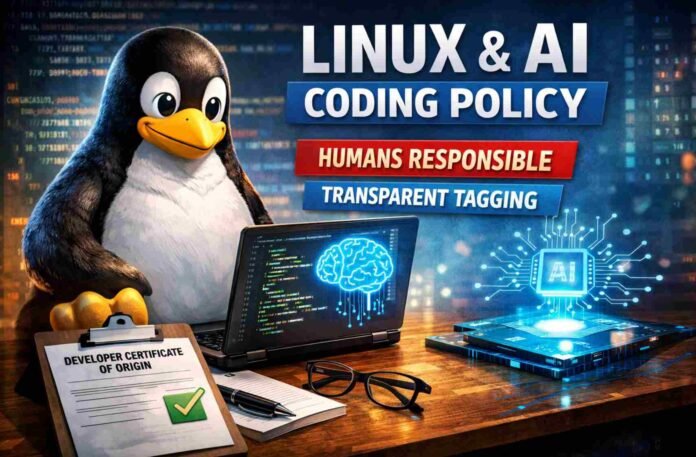
- Linux allows AI tools but only as assistants, not decision makers
- Developers must take full responsibility for AI generated code
- New Assisted by tag ensures transparency of AI usage
- Licensing, security, and quality checks remain mandatory
The Linux community has taken a pragmatic step toward regulating the use of AI in software development. Rather than rejecting generative tools outright, maintainers have clarified that AI can be used as a support mechanism, not a substitute for human judgment. The message is straightforward. AI may assist, but it does not take responsibility.
This position reflects a growing reality across the industry. Tools like Microsoft Copilot are already embedded in developer workflows, speeding up routine tasks and offering suggestions. Linux maintainers acknowledge this shift but emphasize that convenience must not compromise quality or accountability.
Human accountability remains non negotiable
At the core of the new guidance is a principle that has always defined open source development. Contributors are fully responsible for every line of code they submit. Whether code is written from scratch or generated with AI assistance, the developer must review, validate, and stand behind it.
This includes ensuring compliance with licensing requirements such as GPL 2.0 only and adding proper SPDX identifiers. It also extends to security, correctness, and originality. If something breaks or violates rules, the responsibility does not fall on the AI tool. It rests entirely with the human contributor.
Even Linus Torvalds has signaled that banning AI outright would be unrealistic. However, he has been equally clear that low quality, unchecked AI output will not be tolerated. The bar for contributions remains as high as ever.
Transparency becomes part of the process
One of the more notable changes is the introduction of an Assisted by tag. This tag allows developers to disclose when AI tools were used and specify which models or systems contributed to the work.
This move is less about restriction and more about visibility. By tracking AI involvement, the Linux project can better understand how these tools are shaping development over time. It also builds trust within the community by making contributions more transparent.
Importantly, AI systems are not allowed to sign off on contributions. Certification, including the Developer Certificate of Origin, must come from a human. This ensures that accountability is never abstracted away.
A balanced approach that could shape the industry
Linux’s stance represents a middle ground in a debate that has often been polarized. On one side are calls to fully embrace AI driven development. On the other are concerns about reliability, copyright risks, and security vulnerabilities.
By allowing AI with strict oversight, Linux sets a precedent that other open source projects and enterprises may follow. It recognizes the productivity benefits of AI while reinforcing the importance of human expertise and responsibility.
This approach could influence broader development standards. As AI tools become more capable, frameworks like this may become essential in maintaining code quality and legal clarity. Linux, once again, is helping define how modern software development evolves.
Follow TechBSB For More Updates