
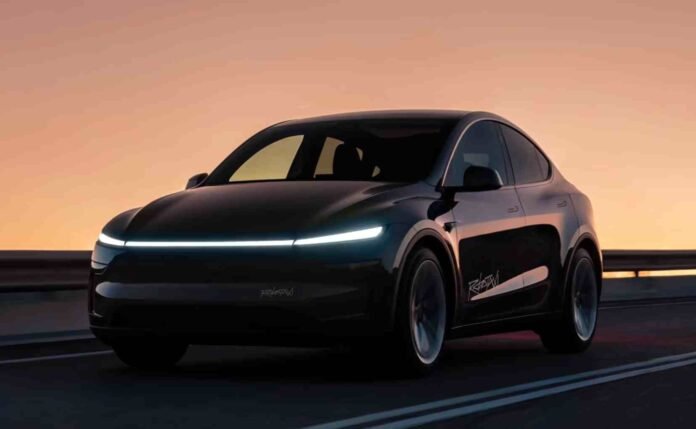
- Tesla’s unsupervised Robotaxi fleet has reached 25 vehicles across three Texas cities
- Growth follows months of near zero expansion since the program launched
- Most Tesla autonomous vehicles still require human supervision
- Competitors operate thousands of robotaxis with far higher utilization
Nearly a year after launch, Tesla’s unsupervised Robotaxi effort is finally showing signs of life, though only just. Fresh data suggests the company has expanded its fully driverless fleet to 25 vehicles spread across Austin, Dallas, and Houston. That may sound like progress, but the context matters. For months, the numbers barely moved at all, hovering close to zero despite bold promises from leadership.
What makes this moment notable is not scale but momentum. Austin has done most of the heavy lifting, gradually adding vehicles over recent weeks. Dallas and Houston only joined the program in mid April, each starting with a single car and now inching up to three. It is the first time the program has shown any meaningful upward trajectory since its debut.
Still, this is growth from an extremely low base. The increase from single digits earlier this year to 25 by the end of April breaks a pattern of stagnation, but it hardly signals a breakout phase.
The bigger picture remains underwhelming
Looking beyond the unsupervised subset, Tesla’s broader autonomous fleet tells a less encouraging story. Around 165 vehicles have been active in the past month, but most of these are operating under supervised Full Self Driving systems rather than the true driverless setup needed for a Robotaxi business.
A large portion of those vehicles are concentrated in California’s Bay Area, where they are still reliant on human oversight. That distinction matters because Tesla’s long term vision hinges on fully autonomous ride hailing, not assisted driving.
Even within its limited rollout, the unsupervised vehicles appear underutilized. Reports indicate they operate less than 30 percent of the time, far below what would be required for a viable commercial service. For a system designed to maximize uptime and efficiency, that figure raises serious questions about readiness.
Competition is miles ahead
To understand how far Tesla has to go, it helps to look at the competition. Rival autonomous ride services are already operating at a vastly different scale. Thousands of driverless vehicles are active across multiple cities, delivering hundreds of thousands of paid trips each week.
Tesla, by contrast, is still experimenting within small, carefully defined zones in Texas cities known for relatively light regulation. Expansion plans have also slipped. Several cities originally expected to join the network in early 2026 have yet to materialize, leaving only modest additions so far.
This gap is not just about numbers. It reflects differences in deployment strategy, operational maturity, and readiness for commercialization. While Tesla is known for ambitious timelines, this particular effort has struggled to match even conservative expectations.
Early signs of progress but a long road ahead
There is a case to be made that the latest uptick represents a turning point, however small. The fact that Tesla is adding vehicles again and expanding into new cities suggests internal progress, even if it is not yet visible at scale.
But optimism should be tempered. A fleet of 25 vehicles operating intermittently in limited areas is far from a sustainable business model. The challenge ahead is not just adding more cars but improving reliability, utilization, and geographic reach.
For now, the story is one of cautious movement rather than breakthrough success. Tesla has taken a step forward after standing still for months, but it remains far behind where many expected it to be by this stage.
Follow TechBSB For More Updates

