
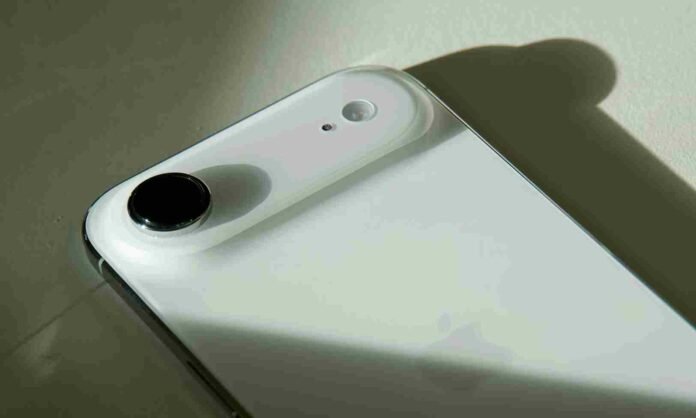
- Brighter CoE display could improve visibility and free internal space
- Larger battery may finally address endurance concerns
- The second rear camera would eliminate a major usability complaint
- Apple appears committed to the Air concept despite modest demand
Apple’s experiment with an ultra-slim smartphone may not have taken the market by storm, but it looks far from finished. Fresh supply-chain chatter suggests that a second-generation iPhone Air is quietly in development, with meaningful upgrades planned for a launch window that now appears to stretch into 2027.
The original iPhone Air turned heads with its strikingly thin design and premium finish. What it didn’t do, however, was convince large numbers of buyers that slimness alone was worth the compromises. Sales are rumored to have underwhelmed, yet Apple seems ready to refine the concept rather than abandon it outright.
If the latest leaks are accurate, the iPhone Air 2 could represent a more balanced take on the ultra-thin phone idea, one that addresses the most common complaints while preserving the aesthetic appeal that made the first model stand out.
A Brighter, Thinner Display Could Change Everything
One of the most significant rumored upgrades centers on the display. The iPhone Air 2 is said to adopt CoE display technology, short for Color Filter on Encapsulation. While the name itself is hardly consumer friendly, the implications are easy to understand.
This newer display method allows the panel to be both thinner and brighter than traditional OLED designs. A brighter screen would immediately solve one of the quieter criticisms of the original iPhone Air, which, while sharp and color accurate, did not stand out in direct sunlight.
More importantly, a thinner display panel creates new internal space. In a phone where every fraction of a millimeter matters, that reclaimed space can be used in more practical ways.
Battery Life Finally Gets Some Attention
Battery life was never disastrous on the first iPhone Air, but it was clearly constrained by the phone’s extreme thinness. Reviews often described it as acceptable rather than impressive, which is not ideal in a market where all-day endurance is increasingly expected.
With a slimmer display stack, Apple may finally have room to increase battery capacity. That extra space could translate into noticeably longer screen-on time, especially when paired with efficiency gains from newer chipsets expected by 2027.
Apple could technically use the thinner components to make the phone even slimmer, but that approach would likely miss the point. At just 5.6 mm thick, the original iPhone Air already pushed the limits of what most users find comfortable to hold. A modest boost in battery life would almost certainly be more appealing than shaving off another fraction of a millimeter.
Cameras May No Longer Feel Like a Compromise
Another area where the iPhone Air drew criticism was its camera setup. A single rear camera felt like a step backward at a time when even mid-range phones routinely ship with multiple lenses.
Rumors suggest Apple plans to correct that with the iPhone Air 2 by adding a second rear camera, likely an ultra-wide lens. This change alone would dramatically improve the phone’s versatility, making it more suitable for landscapes, group shots, and everyday creative photography.
For many buyers, camera flexibility is non-negotiable. Adding a second lens would remove one of the biggest psychological barriers to choosing the Air over standard and Pro models.
The Bigger Question Is Demand
Even with these improvements, the iPhone Air 2 faces a difficult market reality. Consumer interest in ultra-thin smartphones appears lukewarm at best. Reports indicate that rival manufacturers have scaled back or abandoned similar designs after disappointing sales.
This raises a broader question about Apple’s strategy. Rather than chasing mass appeal, the iPhone Air may be evolving into a niche product, aimed at users who prioritize design and portability above all else.
That approach can still work, but only if the compromises are no longer deal-breakers.
By improving brightness, battery life, and camera capabilities, Apple could transform the iPhone Air from a beautiful curiosity into a genuinely practical option.
Launch Timing Points to a Strategy Shift
Current whispers suggest Apple may be rethinking its traditional release cadence. Under this rumored plan, higher-end models would arrive earlier, while standard models and the iPhone Air 2 would follow later. If true, that would place the iPhone Air 2 firmly in 2027.
A longer development timeline could work in the phone’s favor, giving Apple time to refine the hardware and better align the Air with real-world user expectations rather than pure design ambition.
Follow TechBSB For More Updates