
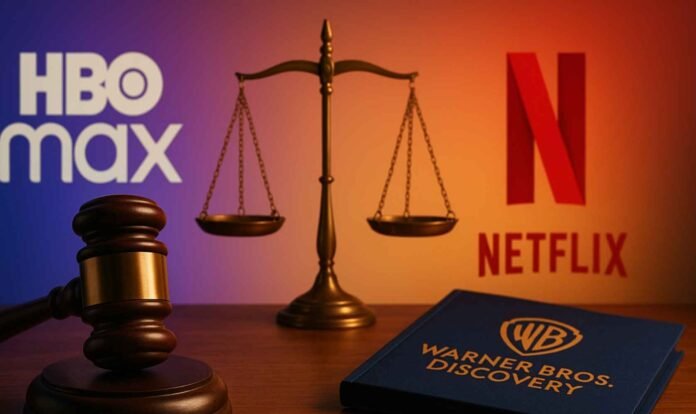
- HBO Max subscriber files class-action suit to block Netflix’s Warner Bros. Discovery acquisition
- Suit argues merger would reduce competition, raise prices, and limit creative diversity
- Netflix dismisses the claim as opportunistic and insists theatrical commitments will remain
- Congressional scrutiny and a massive Paramount-Skydance counterbid heighten the stakes
Netflix’s high-stakes pursuit of Warner Bros. Discovery has officially spilled beyond boardroom negotiations and into the courtroom.
What began as a corporate takeover now has a fresh twist: a class-action suit filed by an ordinary streaming customer who argues the deal could break the very industry she pays to enjoy.
The complaint comes from Michelle Fendelander, a Las Vegas resident and long-time HBO Max subscriber.
Filed in federal court in San Jose, her suit seeks to block the proposed $82.7 billion acquisition on the grounds that it would fundamentally damage competition in the entertainment market, driving up prices while shrinking choice.
What’s at Stake?
If the merger proceeds, Netflix would gain control of Warner Bros’ expansive catalog and core streaming brand.
That includes HBO, HBO Max, and global franchises that underpin the modern blockbuster model: Game of Thrones, Harry Potter, Batman, and the DC universe.
The idea that a single streaming provider could lay claim to that much cultural capital is precisely what alarms Fendelander and the growing chorus behind her.
Her filing argues that eliminating Warner as a standalone rival in the subscription streaming space would erode what little competition remains.
The streaming marketplace has already shifted from the endless-content boom of the late 2010s to a consolidation era defined by price hikes, password crackdowns, and bundled mega-platforms. To her, this merger risks accelerating that slide.
Netflix Pushes Back
Netflix, unsurprisingly, has moved quickly to discredit the lawsuit. The company called the filing a distraction engineered to capitalize on a news-cycle frenzy rather than a legitimate legal challenge.
It has also taken pains to reassure both subscribers and traditional studios that it intends to maintain Warner’s theatrical commitments, not gut them.
That assurance has done little to calm critics who argue the problem isn’t just what Netflix would do tomorrow, but what the long-term consolidation of creative power could mean.
As Fendelander’s suit bluntly puts it, when one platform owns too much of the narrative universe, the industry’s creative range narrows. Fewer buyers means fewer risks, fewer experiments, and ultimately fewer voices elevated to the global stage.
A Deal Under Congressional and Competitive Fire
This merger is no longer just a financial transaction. It has attracted the attention of lawmakers, antitrust observers, and even former President Trump, who has signaled he may weigh in.
And in a twist that underscores just how volatile this moment is, the Paramount-Skydance counterbid, coming in at over $108 billion, has only intensified the stakes.
Mergers of this scale don’t merely rearrange studios on a corporate org chart. They reset the streaming landscape, determine what art reaches audiences, and shape how audiences pay for it.
Netflix remains confident it will prevail, but this lawsuit marks the first clear sign that consumers intend to have a voice in that future.
Follow TechBSB For More Updates