
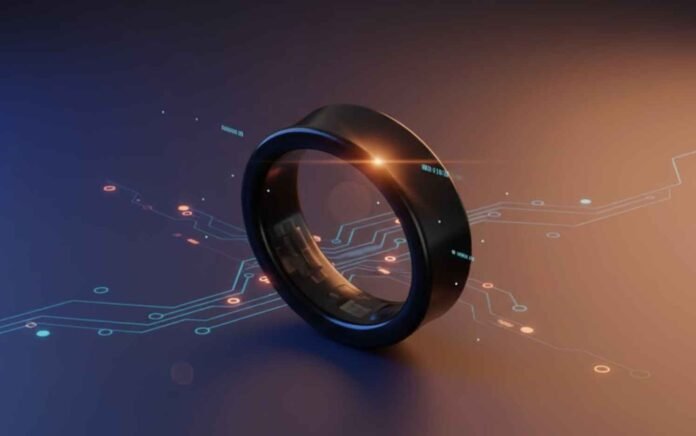
- Initial Galaxy Ring hype faded into slower-than-expected sales
- Samsung is reconsidering whether to release a Galaxy Ring 2 at all
- Oura’s patent dispute poses a significant legal barrier for new launches
- The smart ring sector shows software progress but limited hardware innovation
When Samsung first stepped into the smart ring market in 2024, it did so with confidence. The original Galaxy Ring arrived to strong buzz, impressive pre-order numbers, and surprisingly polished performance for a first-generation product.
Reviewers praised it, early adopters rushed to buy it, and Samsung reportedly expanded production to meet demand. That momentum has now slowed dramatically.
According to reports from Korean industry insiders, Samsung is no longer planning to showcase a Galaxy Ring 2 at its next Unpacked event, traditionally held early in the year. More striking is the suggestion that the sequel may not arrive at all.
What began as a promising new product category for Samsung has apparently settled into what sources describe as disappointing, stagnant sales once the initial hype cooled.
The pre-order rush appears to have been driven by dedicated Samsung fans and wearable enthusiasts rather than a broad consumer shift toward smart rings. After the early wave subsided, retail performance reportedly failed to justify a rapid follow-up device.
If Samsung expected the smart ring market to break into the mainstream with the same force as early smartwatches, it now seems clear that the market simply wasn’t ready to grow at that scale.
Oura’s Legal Pressure Adds Another Complication
Samsung is not only wrestling with demand but also with legal turbulence. Oura, the long-established leader in the category, has taken a defensive stance as competitors crowd into the space.
It has already won actions against Circular and RingConn, and it has now escalated matters by filing a complaint with the International Trade Commission that names Samsung among others.
Oura’s claim centers on patent protections tied to biometric tracking and ring-based wellness data systems. If a ruling goes in Oura’s favor, Samsung could face restrictions on global sales or be forced to adjust design and software frameworks.
With that uncertainty on the table, it makes strategic sense for Samsung not to invest in an immediate sequel that could be challenged the moment it launches.
In practical terms, delaying a Galaxy Ring 2 may spare Samsung the expense of recalls, redesigns, or avoidance of entire regions. Until the legal dust settles, the company may simply prefer to wait.
Smart Rings at a Crossroads
Despite active marketing and curious audiences, smart rings have not yet found a truly universal purpose beyond sleep and readiness tracking.
Hardware continues to look largely the same from brand to brand: compact sensors, a slim battery, and a polished shell. Software continues to improve, and Oura still holds the strongest ecosystem, but the devices themselves are evolving slowly.
A few innovators are trying to break away from the health-only model. Pebble’s Index 01, for instance, explores a voice-based memory and assistant tool approach, suggesting smart rings could expand beyond wellness if manufacturers dare to push in other directions.
Until that happens, the category risks feeling iterative rather than essential.
For Samsung, launching a sequel into a crowded but legally restricted market with lukewarm customer uptake may no longer look like a business imperative.
The Galaxy Ring 2 isn’t officially cancelled, but its absence from Samsung’s biggest annual stage signals a strategic pause.
Whether it returns as a redesigned health ring, a reimagined accessory, or not at all remains an open question.
Follow TechBSB For More Updates