
- 94 percent of Swiss citizens want stronger protections for minors on social media
- 78 percent believe tech companies hold excessive influence over public opinion
- Swiss government is considering stricter laws, including possible age restrictions
- Austria plans to ban social media use for children under 14, signaling a regional trend
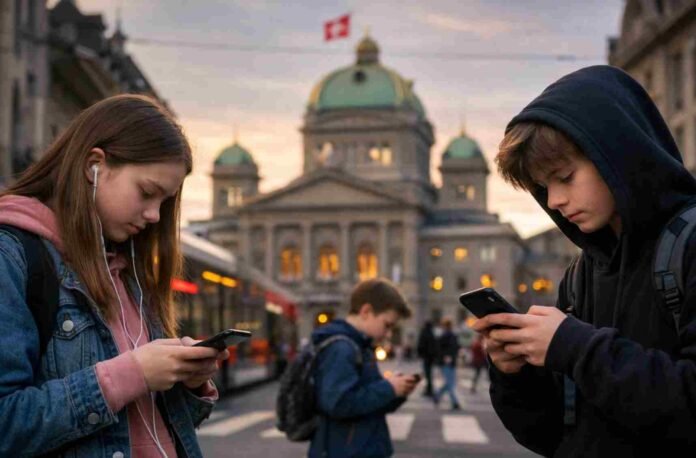
A strong wave of public opinion in Switzerland is pushing policymakers toward tighter control of social media use among children and teenagers.
According to a recent survey, an overwhelming majority of citizens believe that existing protections fall short and that urgent action is needed to shield younger users from the negative effects of digital platforms.
The findings arrive at a time when scrutiny of major technology companies is intensifying across the globe. Concerns around mental health, addictive design patterns, and exposure to harmful content are no longer confined to researchers and advocacy groups. They are now firmly in the public and political spotlight.
Legal pressure on Big Tech is building
The debate has gained fresh momentum following a landmark legal decision in the United States. A Los Angeles jury recently ruled that leading tech companies were negligent in designing platforms that may harm younger users. While the case is based in the US, its implications are global, setting a precedent that could influence future lawsuits and regulations elsewhere.
This growing legal pressure reflects a broader shift in how governments and courts view the responsibilities of social media companies. What was once seen as a matter of user choice is increasingly being framed as a question of corporate accountability.
In Switzerland, this shift is clearly mirrored in public sentiment. A striking 94 percent of respondents in the survey said minors need stronger protection from the harmful effects of social media. Meanwhile, 78 percent expressed concern about the outsized influence large technology firms have on shaping public opinion.
Government signals openness to stricter rules
Swiss authorities are already taking note. Interior Minister Elisabeth Baume Schneider has indicated that she is open to exploring stricter measures, including the possibility of restricting or even banning social media access for younger users.
The government is currently working on draft legislation aimed at regulating major online platforms more effectively. The proposed rules are expected to focus on improving transparency, increasing accountability, and ensuring that companies take greater responsibility for user safety.
While details of the legislation are still emerging, the direction is clear. Switzerland is preparing to align itself with a growing number of countries that are rethinking how social media should operate, particularly when it comes to protecting children.
A wider European shift is underway
Switzerland is not acting in isolation. Neighboring Austria has already announced plans to pursue a ban on social media use for children under the age of 14. This move signals a broader European trend toward stricter regulation, driven by mounting evidence of the risks associated with early and unrestricted exposure to social platforms.
Across the continent, policymakers are grappling with the same core challenge: how to balance the benefits of digital connectivity with the need to protect vulnerable users. The Swiss survey adds weight to the argument that public support for tougher rules is not only present but overwhelming.
The road ahead for regulation
The conversation around social media and minors is entering a निर्णायक phase. Public opinion, legal developments, and political will are increasingly aligned, creating conditions for meaningful change.
For technology companies, this shift represents both a challenge and an opportunity. On one hand, they face stricter oversight and potential legal consequences. On the other, there is a chance to rebuild trust by prioritizing user wellbeing and designing platforms that are safer by default.
For governments, the task is equally complex. Crafting effective regulation without stifling innovation or limiting access to valuable digital tools will require careful balance.
What is clear, however, is that the status quo is no longer acceptable to a large majority of people. In Switzerland and beyond, the call for stronger protections is growing louder, and policymakers are beginning to respond.
Follow TechBSB For More Updates