
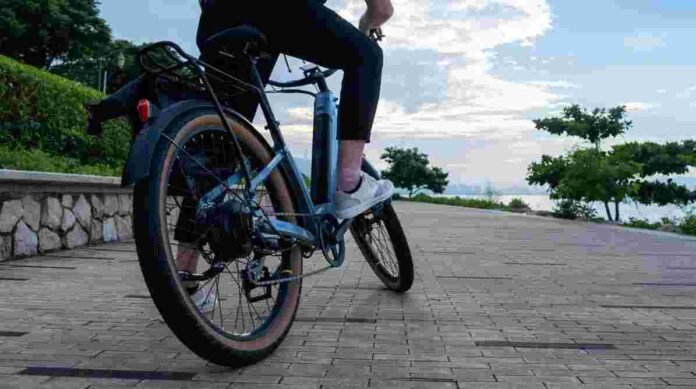
- New Jersey now requires licenses, insurance, and registration for all e bikes.
- Supporters say it improves safety as injuries rise and faster bikes spread.
- Critics argue it is too broad and could hurt adoption and affordability.
- A tiered system based on speed and weight may be a smarter compromise.
New Jersey has officially stepped into what lawmakers are calling “a new era of e-bike use,” and whether that sounds like progress or panic depends on who you ask.
The state’s new approach brings e-bikes closer to the rules we normally reserve for cars and motorbikes. Under the legislation, riders across all e-bike classifications will need to register their ride, carry insurance, and hold a license.
Age restrictions also tighten the net: you will need to be at least 15 with a motorized bicycle license, or at least 17 with a valid driver’s license, to own and operate an e bike.
On paper, it reads like a decisive response to safety concerns. In practice, it is a sweeping shift that could reshape how people commute, shop, and travel locally. And it may not stop at New Jersey.
Why supporters call it safety and critics call it overkill
The political argument is simple: more powerful electric bikes have arrived, more people are riding them, and injuries are climbing. A handful of high-profile incidents last year only poured fuel on the fire.
From that perspective, stricter oversight feels inevitable. If a vehicle can hit high speeds, mix with traffic, and carry real weight, regulators are going to treat it as something more than a traditional bicycle.
But riders and advocates are not reacting with polite applause. Many see the law as blunt and poorly timed, especially when cities and states keep talking about reducing congestion and cutting emissions. E-bikes are one of the easiest ways to replace short car trips, yet the new rules add friction to the very people who are trying to do that.
There is also a practical issue that critics keep circling back to: insurance. In many areas, insurance options for e bikes are limited, unclear, or expensive. Mandating coverage without a mature market to support it is the kind of policy move that looks tidy on a press release but messy in real life.
Then there is the problem of scope. This law does not just target the fastest, heaviest machines. It applies across the board, even to lower speed pedal assist models that many riders treat like regular bikes with a helpful boost. That is where the frustration really bites.
The big issue is that “e bike” means too many things
Part of the chaos comes from the label itself. “E bike” is not one clean category. It can describe everything from a modest pedal assist commuter bike that tops out below 20mph, to a high powered machine that behaves more like a lightweight electric motorbike.
Those are not the same experience. They do not carry the same risk. And they do not belong under one oversized regulatory umbrella.
The confusing middle ground is where trouble starts. Buyers can easily pick up a bike that looks harmless but packs far more power than expected. Add higher speeds, heavier frames, and inexperienced riders, and the odds of accidents climb fast.
Meanwhile, lawmakers, trying to solve a real safety issue, may respond with rules that treat every e-bike as equally problematic.
New Jersey’s ban on conversion kits also speaks to this tension. It targets the idea of upgrading lower-powered bikes into higher-powered versions, which is a clear safety and enforcement headache.
The state also introduced a temporary ban on online sales of the fastest tier of electric motorized bikes for the next year, aiming to reduce the number of high-speed machines entering the market through quick, low-friction purchases.
A better middle ground might look like drone-style rules
If the goal is safer streets without killing momentum, there is a more balanced path. Think about how drones were handled in many countries. Instead of one rule for everything that flies, drones were sorted by capability, weight, and risk. A similar model could work here.
Manufacturers could be required to have their e-bikes approved for public road use, then assigned categories based on top assisted speed and overall weight. The lightest and slowest bikes would stay accessible, including for younger riders, because they behave closest to standard bicycles.
Mid-range models could come with basic requirements, such as an online safety test that checks road awareness and responsible riding. And the fastest, heaviest machines, the ones that blur into electric motorbike territory, would require proper licensing closer to what drivers already do.
Registration could still play a role, but it should be streamlined. Online registration tied to an adult owner would be simple enough, especially if it works more like a quick operator ID system rather than a full motor vehicle process. The key is making accountability possible without turning every e-bike purchase into a paperwork marathon.
Because that is the real risk: if buying and riding an e-bike starts to feel like buying and owning a car, many people will not bother. They will just drive.
Follow TechBSB For More Updates