
- Meta introduced Muse Spark, a new AI model aimed at competing with top rivals
- The AI will roll out to smart glasses and major Meta apps soon
- It promises better conversations, editing tools, and health assistance
- Privacy concerns around smart glasses remain largely unresolved
Meta is clearly doubling down on artificial intelligence and smart glasses, and its newly unveiled Muse Spark model is the strongest signal yet of where the company is heading next. After stepping back from some of its more ambitious VR plans, Meta appears to be redirecting its energy into building a tighter ecosystem around AI powered wearables and social platforms.
Muse Spark is being positioned as a next generation large language model, one that can compete more directly with today’s leading AI systems.
According to Meta, the model delivers solid performance across several important areas including reasoning, healthcare related queries, and agent driven tasks. In internal testing, it reportedly sits shoulder to shoulder with rival systems, sometimes edging ahead and other times trailing slightly behind.
While those claims will need real world validation, the message is clear. Meta no longer wants to be seen as lagging in the AI race.
Smart Glasses Get Smarter but Questions Remain
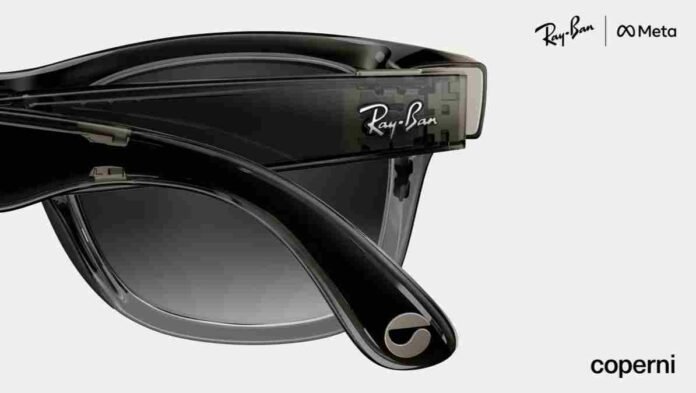
One of the most interesting aspects of Muse Spark is where it will show up first. Meta plans to bring the model to its smart glasses lineup alongside its major apps like Facebook, Messenger, and WhatsApp. The rollout is expected to begin soon, at least in the United States.
For users of Meta’s smart glasses, this could translate into noticeable upgrades. Conversations with the AI assistant may feel more natural and responsive. Features like image and video editing could become more powerful, possibly incorporating more advanced generative tools. There is also talk of improved support for health related queries, which hints at broader ambitions beyond simple assistant tasks.
On paper, this all sounds promising. Smart glasses have long struggled to justify their existence beyond niche use cases, and a capable AI layer could finally give them a stronger identity. If Muse Spark delivers on its potential, it might make these devices feel less like experimental gadgets and more like genuinely useful everyday tools.
Performance Gains Do Not Solve Trust Issues
Despite the excitement, there is a major issue that Muse Spark does not address. Privacy concerns around Meta’s devices remain front and center, especially when it comes to capturing images and videos in public or private spaces.
Even the most advanced AI features cannot fully compensate for a lack of trust. Users are increasingly aware of how their data is collected and used, and wearable devices raise particularly sensitive questions. Smart glasses, by their very nature, blur the line between convenience and surveillance.
Meta has highlighted safety measures within Muse Spark, including restrictions on harmful or dangerous topics. That is a step in the right direction, but it does little to tackle broader concerns about how user data is handled. Until Meta can clearly reassure users on this front, skepticism is likely to persist.
A Step Forward, But Not the Final Answer
Muse Spark represents meaningful progress for Meta. It shows the company is serious about competing in AI and is willing to invest in improving its core technology. More importantly, it strengthens the case for its smart glasses, which have so far struggled to break into the mainstream.
However, better performance alone is not enough. For Meta’s vision to succeed, it needs to balance innovation with transparency and trust. Users may be impressed by smarter features, but they will only fully embrace them if they feel confident about how their data is treated.
For now, Muse Spark has reignited interest in Meta’s AI ambitions. Whether it can sustain that momentum will depend on how well it performs in the real world and how effectively Meta addresses the concerns it has yet to solve.
Follow TechBSB For More Updates