
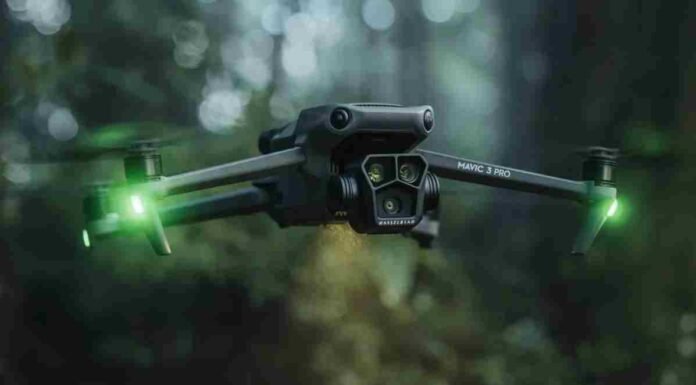
- Previously approved Chinese drones can still be imported and sold in the US
- A separate FCC ban still blocks approval of all new foreign made drone models
- DJI and rivals face uncertainty that may push them away from the US market
- Consumers keep access to current models but risk falling behind on innovation
For now, American drone buyers can take a small breath of relief. Chinese made drones already approved for sale in the United States will continue to reach store shelves, following a quiet but significant policy reversal by the US Department of Commerce.
This decision stops short of easing the broader pressure facing companies like DJI. A separate and more consequential ban remains in force, blocking approval of any new foreign made drone models. The result is a fragile pause rather than a true reversal, and it leaves both manufacturers and consumers facing deep uncertainty about what comes next.
Commerce Department Pulls Back from a Sweeping Import Ban
The withdrawn proposal would have dramatically reshaped the US drone market. Had it gone ahead, it would have stopped imports of all Chinese made drones, even models that had already cleared regulatory hurdles and were legally sold in the country.
That would have meant no fresh inventory of popular drones such as the Mavic 3 Pro or lightweight consumer models from newer brands. Retailers would eventually have run out of stock, prices would likely have spiked, and consumers would have had few viable alternatives.
Instead, the Department of Commerce opted not to proceed. Previously approved drones can still be imported, distributed, and sold. For hobbyists, photographers, filmmakers, and small businesses, that decision matters. It preserves access to products that dominate the market for performance, reliability, and value.
This move does not signal enthusiasm for Chinese drone makers. It simply prevents an abrupt supply shock that could have rippled across industries that rely on aerial imaging and surveying.
The FCC Ban Still Blocks the Future
While the Commerce Department stepped back, the Federal Communications Commission ban introduced late last year remains firmly in place. This rule prevents any new foreign made drones from receiving FCC approval, effectively closing the door on future product launches from companies based outside the US.
That distinction is critical. Existing models survive. New ones do not.
Manufacturers can technically apply for exemptions or special approvals, but industry observers see little chance of that happening under current political conditions. Regulatory uncertainty alone may be enough to discourage companies from investing time and money into compliance efforts for a market that may ultimately reject them.
For DJI and its competitors, this creates a slow motion freeze. Innovation continues elsewhere, but US customers are locked into an aging product lineup with no clear upgrade path.
Geopolitics Loom Large Over the Drone Industry
The timing of the Commerce Department’s reversal appears closely tied to diplomacy. Relations between the US and China have shown signs of easing ahead of a planned high level meeting between their leaders in 2026. Avoiding a blanket import ban may have been seen as a gesture of restraint.
Still, trade tensions, tariffs, and national security concerns continue to shape policy. Drones sit at the intersection of consumer technology and sensitive infrastructure, making them an easy target for political pressure.
The irony is that there are currently no US based drone manufacturers offering true alternatives at the same scale or capability. Restricting foreign models does not automatically strengthen domestic competition. Instead, it risks leaving consumers with fewer choices, higher prices, and slower technological progress.
What This Means for US Drone Buyers
In the short term, buyers can still purchase familiar Chinese made drones without fear of immediate shortages. In the long term, the picture is far less reassuring.
If companies stop developing products for the US market, American users may fall behind global trends in camera quality, flight safety, and autonomous features. Businesses that rely on drones for inspection, mapping, or creative work could feel the impact first.
For now, the market is in limbo. Existing models remain available. The future pipeline is blocked. Whether that changes will depend less on technology and more on politics.
Follow TechBSB For More Updates