
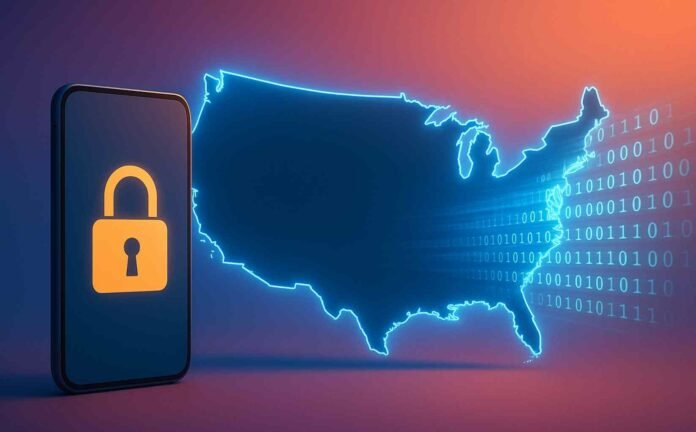
- US border officials may review five years of social media activity for visitors
- Travelers could be required to submit extensive personal and biometric data
- Privacy groups warn the plan chills free speech and lacks proven security value
- The proposal is open to public consultation and not yet finalized
Travel to the United States could become significantly more intrusive if a new proposal from US Customs and Border Protection moves forward.
The plan would require visitors to submit extensive personal data, including a review of their social media activity going back five years, before being allowed to enter the country.
The idea has immediately triggered concern among privacy advocates, civil liberties groups, and frequent travelers, many of whom see the proposal as a dramatic expansion of surveillance rather than a measured security upgrade.
While the policy is still only a proposal, it signals the direction border enforcement may be heading and raises serious questions about privacy, free expression, and practicality.
What the proposal would require from travelers
Under the CBP proposal, visitors to the US would be asked to provide far more than passport details and travel plans.
Officials want access to social media histories covering the previous five years, along with email addresses and phone numbers used during that same period.
In addition, travelers could be required to submit detailed information about close family members, including names, addresses, phone numbers, and dates of birth.
The proposal also mentions biometric data collection, such as fingerprints, iris scans, photographs, and potentially DNA. While some biometric checks already exist in limited form, the scope described here is far broader than current practice.
If implemented fully, the system could create delays at borders and airports, especially during peak travel seasons. Processing large volumes of personal data takes time, and critics argue that the logistical burden alone makes the plan questionable.
Security claims versus privacy and free speech concerns
Supporters of the proposal frame it as a necessary step to strengthen national security. Former President Donald Trump has defended the idea publicly, emphasizing safety and the need to prevent dangerous individuals from entering the country.
From that perspective, social media is seen as another data source that could reveal red flags before harm occurs.
Privacy advocates strongly disagree. Groups such as the Electronic Frontier Foundation argue that similar programs in the past have shown little evidence of effectiveness.
According to them, social media screening has not reliably identified serious threats, but it has discouraged lawful speech and intruded into the private lives of innocent travelers and their families.
There is also concern about how posts would be interpreted. Social media content is often sarcastic, emotional, or taken out of context.
Critics warn that automated or rushed human reviews could misread jokes, political opinions, or cultural references, leading to unfair scrutiny or denial of entry.
Practical limits and easy workarounds
Another major criticism is how easy the proposed checks could be to bypass. Anyone determined to avoid scrutiny could delete old posts, clean email inboxes, or create new social media accounts with minimal activity. Digital reputation services already exist to help people erase or bury their online history.
This raises a fundamental question. If those with bad intentions can evade screening while ordinary travelers are subjected to deeper surveillance, the policy risks becoming more symbolic than effective. Meanwhile, millions of law abiding visitors would shoulder the privacy cost.
The CBP has opened a 60 day public consultation period on the proposal. Travelers, advocacy groups, and industry stakeholders can submit feedback directly to the agency.
Follow TechBSB For More Updates