
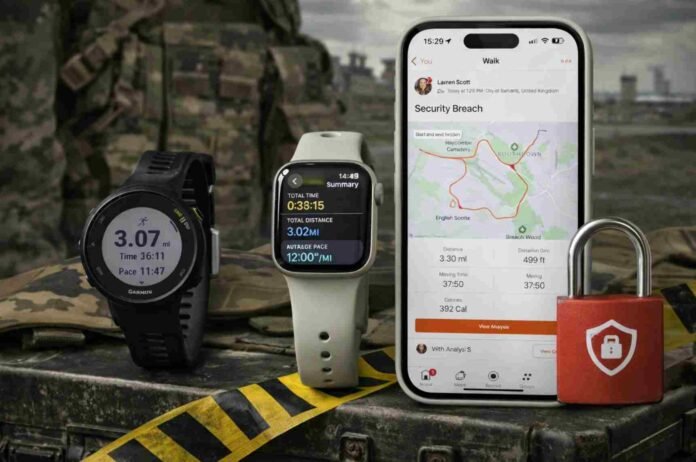
- Over 500 UK military personnel exposed sensitive data through public Strava activity
- Routes revealed movement patterns around key military bases
- Aggregated data can expose identities, routines, and associations
- Adjusting privacy settings can quickly reduce risk
Another reminder has surfaced about the risks of sharing fitness data publicly, and this time it involves more than 500 UK military personnel. A recent investigation has revealed that activity logs uploaded to Strava are unintentionally exposing sensitive information linked to British military bases and personnel.
This follows closely on the heels of a similar incident involving a French naval officer whose run reportedly revealed the location of a warship. Now, publicly shared routes in the UK are raising fresh concerns about how easily everyday fitness tracking can turn into a security vulnerability.
The issue is not about secrecy of locations alone. Military bases themselves are not hidden. What is concerning is how patterns of movement, personal routines, and even identities can be pieced together through repeated activity uploads.
How everyday runs become intelligence leaks
The investigation found multiple Strava routes recorded around key UK military sites, including Northwood, Faslane, and parts of North Yorkshire. These were not obscure or hidden profiles. In many cases, they were fully public, complete with names, routes, and timestamps.
One particularly striking example included a run labeled “Security Breach,” suggesting that at least some users are aware of the visibility of their data, yet continue to share it openly.
Individually, a single run might seem harmless. But over time, patterns emerge. Regular routes can indicate where personnel are stationed. Repeated activity in certain areas can reveal operational routines. Even connections between profiles can expose family members or colleagues.
Security experts warn that this type of fragmented data can be incredibly valuable when aggregated. Small pieces of information, when combined, can build a detailed picture of a person’s life, movements, and associations.
Why this matters beyond the military
While the spotlight is currently on military personnel, the implications extend far beyond defense environments. Anyone using fitness tracking apps like Strava could be sharing more than they intend.
Public activity logs can reveal home addresses, daily schedules, travel habits, and frequently visited locations. For civilians, this raises concerns around privacy and personal safety. For individuals in sensitive roles, the risks are significantly higher.
The problem is not the technology itself but how it is used. By default, many users overlook privacy settings or underestimate how visible their data is. What feels like a harmless post can become a data point in a much larger picture.
Locking down your Strava privacy settings
The good news is that this issue is relatively easy to fix. Strava provides built in privacy controls that allow users to limit who can see their activities, routes, and personal details.
Switching activities to private or restricting visibility to followers can significantly reduce exposure. Users can also hide start and end points of routes, which is particularly important for protecting home or workplace locations.
Taking a few minutes to review these settings can make a substantial difference. It is a simple step, but one that many users overlook until incidents like this bring the risks into focus.
Ultimately, the lesson here is clear. In an increasingly connected world, even something as routine as a morning run can carry unintended consequences. Being mindful of what you share is no longer optional. It is essential.
Follow TechBSB For More Updates