
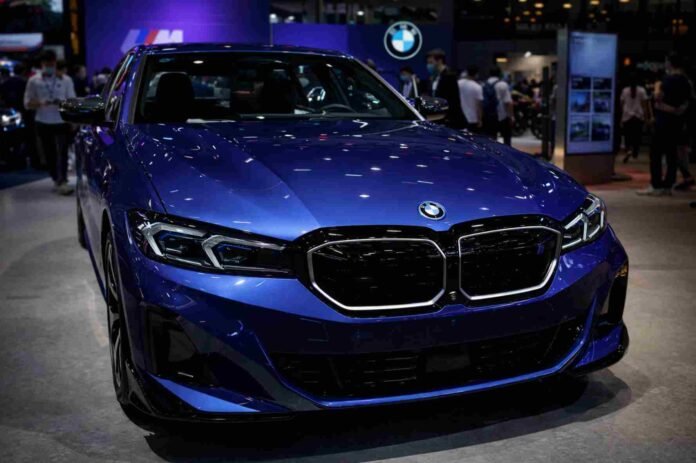
- BMW says EV prices in China are stabilising after heavy discounting
- Neue Klasse platform will drive its next generation EV lineup
- China sales fell 12.5 percent in 2025, focus now on stability
- Localised iX3 and i3 launches aim to rebuild market position
BMW is making a calculated push to regain momentum in China, a market that has become both essential and increasingly unforgiving for global automakers. After a turbulent period marked by aggressive discounting and fierce competition from domestic electric vehicle makers, the German carmaker now sees signs that conditions may finally be stabilising.
Speaking in Munich, BMW sales chief Jochen Goller pointed to early indicators that pricing pressure in China’s electric vehicle segment is beginning to ease.
According to him, some models are no longer being heavily discounted, and in certain cases, prices are even ticking upward. That shift, if sustained, could signal a turning point after months of intense price wars that eroded margins across the industry.
For BMW, this potential stabilisation could not come at a more critical time.
The Neue Klasse platform takes centre stage
At the heart of BMW’s renewed strategy is its Neue Klasse platform, a next generation architecture designed to underpin a wave of future electric vehicles. This platform is more than just a technical upgrade. It represents a broader reset of BMW’s approach to electrification, software integration and production efficiency.
The company recently unveiled a new all electric i3 sedan built on this platform, marking another step in its plan to overhaul its lineup. The Neue Klasse is expected to deliver improvements in battery performance, driving range and digital capabilities, all areas where competition has intensified, particularly in China.
BMW is not just playing catch up here. It is attempting to redefine its electric offering in a way that resonates with Chinese consumers, who have shown a strong preference for tech heavy, feature rich vehicles from local brands.
China remains a high stakes battleground
China is the world’s largest car market, but it has also become one of the most challenging. Domestic manufacturers have rapidly advanced in electric vehicle technology while maintaining cost advantages that foreign brands struggle to match. This has triggered a prolonged price war, forcing even premium brands to reconsider their pricing strategies.
BMW felt the impact directly. Its sales in China dropped by 12.5 percent in 2025, a clear indication of how tough the environment has become. The company’s immediate goal is modest but important. It aims to stabilise sales in 2026 rather than chase aggressive growth.
That cautious outlook reflects a broader industry reality. Winning in China is no longer about brand prestige alone. It requires competitive pricing, rapid innovation and a deep understanding of local consumer expectations.
Local focus and upcoming launches
To strengthen its position, BMW is tailoring its Neue Klasse rollout specifically for China. The first model from this new generation, the iX3 electric SUV, will have a China-specific version debuting at the Beijing auto show in April. Sales are expected to begin later in the year.
Following that, a locally produced version of the new i3 sedan will arrive in early 2027. This localisation strategy is crucial. Producing vehicles within China helps reduce costs, improves supply chain efficiency and aligns better with regulatory and consumer demands.
BMW’s approach suggests a shift from a one-size-fits-all global strategy to a more region-focused model. In China, that means faster product cycles, competitive pricing and features tailored to local tastes.
A cautious but strategic recovery
BMW’s outlook is not overly optimistic, but it is grounded in realistic expectations. The company is not assuming a rapid rebound. Instead, it is focusing on stabilisation first, with the Neue Klasse acting as the foundation for long term recovery.
If pricing trends continue to improve and new models resonate with buyers, BMW could gradually rebuild its position. However, the competitive landscape remains intense, and local players are not slowing down.
For now, the message from BMW is clear. The worst of the price war may be easing, but the fight for relevance in China’s electric vehicle market is far from over.
Follow TechBSB For More Updates