
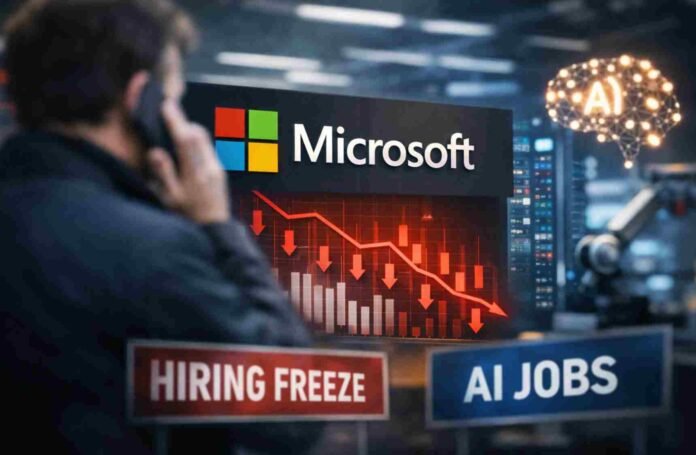
- Microsoft pauses hiring in cloud and sales teams to control costs
- AI focused divisions like Copilot continue to recruit actively
- Move aligns with fiscal year end and margin improvement goals
- Reflects wider tech industry shift toward efficiency and AI investment
Microsoft is quietly applying the brakes on hiring across some of its most critical business units, signaling a shift in priorities as the fiscal year draws to a close. According to multiple internal accounts, managers in major divisions including cloud computing and North American sales have been instructed to pause recruitment for new roles that are not already in the pipeline.
This is not a blanket hiring freeze across the company. Instead, it reflects a targeted move to control costs in areas that have traditionally driven revenue but are now under pressure to deliver stronger margins. Teams working on strategic initiatives, particularly those tied to artificial intelligence such as Copilot, are continuing to expand.
Cost discipline takes center stage
The timing of the decision is significant. As Microsoft approaches the end of its fiscal year in June, leadership appears focused on tightening operational efficiency and improving profitability. Executives have reportedly made it clear that hiring should only proceed where offers have already been extended, effectively shutting the door on new requisitions in affected teams.
This approach highlights a broader recalibration happening inside the company. Over the past year, Microsoft has poured substantial resources into building out AI infrastructure, from data centers to advanced models. While these investments are seen as essential for long term growth, they have also raised concerns about near term financial performance.
Slowing hiring in established business units allows Microsoft to redirect resources while maintaining momentum in areas it views as future growth engines.
AI spending reshapes priorities
Artificial intelligence continues to dominate Microsoft’s strategic roadmap. The company’s Copilot tools and AI integrations across its ecosystem are central to its vision, and hiring in these areas remains active. That contrast underscores a clear shift. Traditional revenue drivers like cloud and enterprise sales are being asked to operate more efficiently, while AI teams receive continued investment.
This balancing act is not unique to Microsoft. Across the tech sector, companies are grappling with how to fund massive AI ambitions without eroding profitability. The result is a wave of internal restructuring, selective hiring, and in some cases layoffs.
Microsoft itself reduced its workforce earlier, trimming roughly four percent of employees in mid 2025. The current hiring pause suggests that cost control remains an ongoing priority rather than a one time adjustment.
Industry wide trend toward efficiency
Microsoft’s move comes amid similar actions by other technology giants. Meta has reportedly been planning deeper workforce reductions, while Amazon has already cut tens of thousands of corporate roles over recent months. In many cases, these decisions are tied to efficiency gains from automation and AI, as well as a correction from aggressive hiring during the pandemic years.
For Microsoft, the pressure is compounded by investor expectations. While the company remains highly profitable, its cloud business has shown signs of slower growth, even as capital expenditure on AI reaches record levels. This combination has raised questions about how quickly those investments will translate into meaningful returns.
By pausing hiring in key but mature segments, Microsoft appears to be buying time. It can continue funding AI innovation while demonstrating fiscal discipline to the market.
A measured pause, not a full stop
It is important to note that this is not a sign of retreat. Microsoft is not stepping back from growth. Instead, it is becoming more selective about where that growth happens. The hiring slowdown reflects a more surgical approach, focusing resources on areas with the highest long term payoff.
For employees and job seekers, the message is mixed. Opportunities still exist, particularly in AI and emerging technologies, but roles in traditional business units may become harder to secure in the short term.
Follow TechBSB For More Updates