
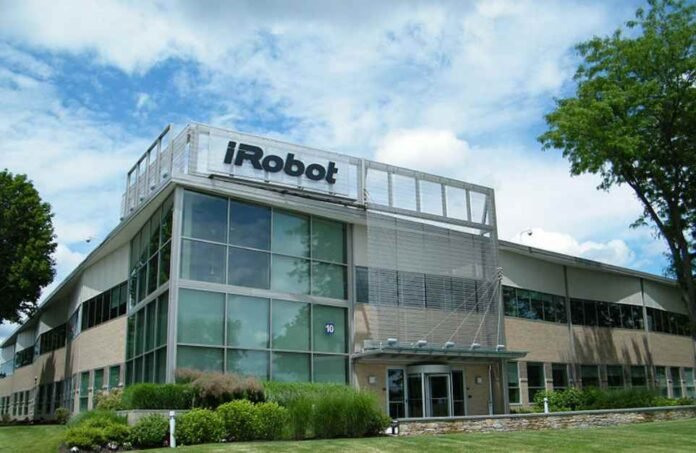
- iRobot grew from an MIT research project into a global consumer robotics brand.
- The Roomba became a cultural icon and a rare hardware success story.
- A failed Amazon acquisition exposed deeper financial and competitive pressures.
- Bankruptcy shifts control to a Chinese supplier, raising questions about long term innovation.
For more than three decades, iRobot stood as one of the most recognizable success stories to come out of American robotics. It began not in a boardroom but in an MIT lab, where curiosity about insect behavior helped shape a new philosophy of intelligent machines.
This month, that long journey reached an unglamorous milestone when iRobot filed for Chapter 11 bankruptcy, marking the end of the company as it was once known and admired.
Founded in 1990 in Bedford, Massachusetts by Rodney Brooks and his students Colin Angle and Helen Greiner, iRobot was never meant to be a novelty appliance maker.
Brooks was already a towering figure in robotics, famous for challenging the idea that intelligence had to be centralized or complex.
He believed that simple systems, when combined, could create surprisingly rich behavior. That thinking would later define the Roomba, a device that felt almost alive as it wandered under couches and around chair legs.
From Research Dream to Household Name
When the Roomba debuted in 2002, it did something rare. It crossed from niche technology into popular culture.
It became a verb, a punchline, and a household fixture. Videos of cats riding Roombas spread online long before virality became a marketing strategy. More importantly, the product worked well enough to earn trust.
Over time, iRobot sold more than 50 million robots, an extraordinary number for a company rooted in academic research.
Financial success followed. iRobot raised about $38 million in private funding, including capital from The Carlyle Group, before going public in 2005.
The IPO brought in over $100 million and cemented the company’s place among the rare hardware startups that could scale.
By the mid-2010s, iRobot was confident enough to launch a venture arm, investing in early-stage robotics companies. It was a signal that the scrappy startup phase was over and that iRobot had become an institution.
The Amazon Deal That Never Was
That sense of permanence peaked in 2022, when Amazon announced plans to acquire iRobot for $1.7 billion. At the time, it felt like a logical pairing.
Amazon had the smart home ecosystem and global reach. iRobot had brand loyalty and deep robotics expertise. For Colin Angle, who had led the company since day one, it looked like a graceful transition into the next chapter.
Regulators saw it differently. European authorities raised concerns that Amazon could squeeze competitors by controlling marketplace access and data. Under mounting pressure, Amazon and iRobot abandoned the deal in early 2024.
Amazon paid a breakup fee, but the real cost fell on iRobot. Angle stepped down. The stock collapsed. Nearly a third of the workforce was laid off.
A Slow Unraveling
The failed acquisition exposed problems that had been building for years. Earnings had already been slipping due to supply chain disruptions and a flood of cheaper robot vacuums from Chinese manufacturers.
iRobot’s premium pricing became harder to defend in a crowded market. A $200 million loan from Carlyle in 2023 bought time but not a turnaround. By late 2025, the company could no longer sustain itself.
Now, under bankruptcy protection, iRobot will be reorganized under the control of Shenzhen PICEA Robotics, its primary supplier and lender.
The company insists it will continue operating without disruption, supporting existing products and services. Customers are being reassured that nothing changes, at least for now.
The fine print tells a more cautious story. Bankruptcy always carries uncertainty. Cloud services could eventually be scaled back. Innovation may slow.
If the worst happens, Roombas will still clean floors using physical buttons, but much of what made them feel modern could disappear. App scheduling, room mapping, and voice control depend on infrastructure that costs money to maintain.
iRobot’s story is not just about one company’s fall. It is about how difficult it is to stay ahead in consumer hardware, how fragile scale can be, and how regulatory and global supply forces can reshape even the most iconic brands.
For a generation, iRobot showed what robotics could look like in everyday life. Its future now rests largely outside the country and culture that gave it birth.
Follow TechBSB For More Updates