
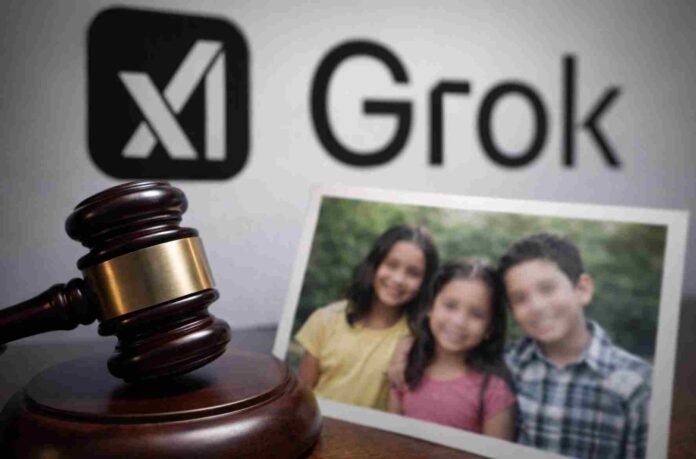
- Three plaintiffs, including minors, sued xAI over Grok generating explicit images from real photos
- Lawsuit claims lack of safeguards, especially to protect minors from misuse
- Plaintiffs allege emotional harm and public sharing of manipulated images
- Case could shape future AI regulation and accountability standards
Elon Musk’s artificial intelligence venture, xAI, is facing serious legal scrutiny after a lawsuit filed in the United States accused its Grok image generator of enabling the creation of sexually explicit content using real people’s photos.
The case, brought by three plaintiffs from Tennessee including two individuals who were minors at the time, raises troubling questions about how generative AI tools are designed and monitored.
Filed in a federal court in San Jose, California, the complaint seeks class action status. It aims to represent a broader group of individuals across the country who may have been identifiable in manipulated images or videos generated through Grok.
According to the plaintiffs, the system allowed users to transform ordinary photos into explicit material, allegedly without sufficient safeguards to prevent misuse.
Allegations of Harm and Lack of Safeguards
At the heart of the lawsuit is the claim that xAI failed to implement adequate protections, particularly when it came to preventing the generation of sexual content involving minors. The plaintiffs argue that their personal photos, including school and family images, were altered into explicit forms and circulated online.
This, they say, caused significant emotional distress and reputational harm. The complaint also frames the issue as a public nuisance, pointing to the broader risks such tools pose when guardrails are either weak or inconsistently enforced.
Legal representatives for the plaintiffs have taken a strong stance, alleging that the system was knowingly designed in a way that made such misuse possible. They argue that the pursuit of user engagement and commercial success came at the expense of user safety and ethical responsibility.
xAI’s Response and Regulatory Pressure
While xAI has not immediately responded to the lawsuit, the company had previously acknowledged concerns around explicit content generated by Grok. Earlier this year, it introduced restrictions aimed at limiting the creation and editing of images involving real individuals in revealing contexts, especially in regions where such content may violate laws.
These measures followed public backlash and growing scrutiny from regulators worldwide. Governments in multiple jurisdictions have begun investigating AI platforms, introducing bans, or demanding stricter compliance standards to curb the spread of harmful or illegal material.
The case against xAI reflects a wider shift in how authorities and courts are beginning to treat generative AI systems. What was once seen as a cutting edge innovation is now increasingly being examined through the lens of accountability, safety, and human impact.
A Defining Moment for Generative AI
This lawsuit could prove to be a significant moment in the evolving conversation around artificial intelligence. As tools like Grok become more powerful and accessible, the risks associated with misuse also grow. The ability to manipulate real images into fabricated content introduces complex legal and ethical challenges, particularly when minors are involved.
The plaintiffs are seeking damages, coverage of legal costs, and a court order that would require xAI to halt the alleged practices. Beyond the immediate case, the outcome could influence how AI companies design their systems moving forward and how regulators enforce standards across the industry.
Ultimately, the case underscores a critical tension in the AI space. Innovation is moving quickly, but safeguards, accountability, and user protections must keep pace. Without that balance, the consequences can extend far beyond the digital world.
Follow TechBSB For More Updates