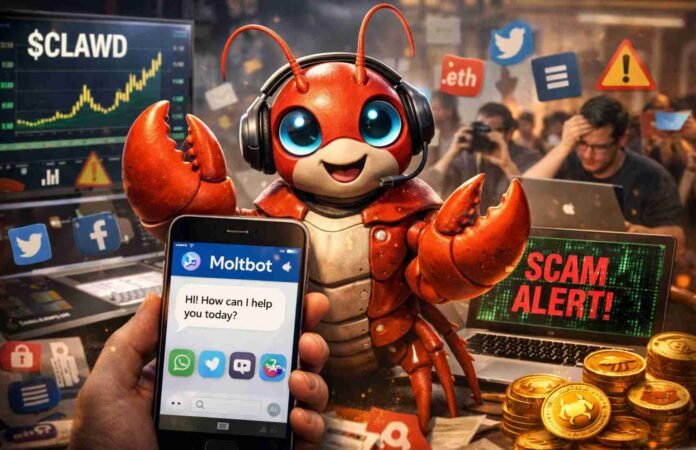
- Clawdbot rapidly gained attention before rebranding to Moltbot over trademark concerns
- The sudden name change triggered scams, fake accounts, and meme fueled chaos
- Moltbot focuses on long term memory and deep integration with everyday apps
- It signals a shift toward more practical, agent like personal AI assistants
For a brief and chaotic moment, Moltbot was everywhere. The open source AI assistant formerly known as Clawdbot went from a promising side project to the internet’s favorite chatbot and then straight into a branding nightmare that unfolded in real time.
What followed was a strange mix of developer exhaustion, opportunistic scams, meme culture, and genuine excitement about the future of personal AI.
Clawdbot had already been gathering momentum before the drama began. Built by Austrian engineer Peter Steinberger, the project struck a nerve with developers and AI watchers who felt that mainstream chatbots had drifted away from the original dream of a truly personal digital assistant.
The kind that lives where you already work, remembers what matters to you, and quietly handles the boring stuff.
That momentum exploded when the project started racking up tens of thousands of GitHub stars and earned praise from respected figures in the AI world. Then came an unexpected message.
Anthropic raised concerns that the name Clawdbot sounded a little too close to Claude, its own AI assistant. The warning was enough to push Steinberger into a rapid decision.
The rebrand to Moltbot happened fast. Too fast.
The overnight rebrand that invited chaos
Steinberger pulled the trigger on the name change in the middle of the night. In theory, it was a clean solution to a potential trademark headache. In practice, it opened the door to one of the messiest rebrands the open source world has seen in a while.
Within minutes of the announcement, abandoned Clawdbot social handles were snapped up by bots. Fake accounts appeared claiming to represent the project. Scammy crypto tokens using variations of the old name started circulating almost instantly, briefly inflating in value before collapsing.
Even Steinberger was not immune to the confusion, accidentally renaming his personal GitHub account instead of the project itself before correcting the mistake.
It was digital slapstick, but it was also a reminder of how quickly attention attracts bad actors. When something goes viral, the frauds arrive just as fast as the fans.
At the same time, the absurdity fueled Moltbot’s visibility. Screenshots spread. Memes followed. A lobster mascot, originally meant as a joke, became an accidental symbol of the whole saga. People were not just watching a tool. They were watching a story unfold.
Why Moltbot struck a nerve
The chaos would not have mattered if Moltbot was not tapping into something real. Its appeal lies in how different it feels from most AI chatbots people use today.
Moltbot is designed to live inside messaging apps like WhatsApp, Telegram, Discord, iMessage, and Slack. Instead of pulling users into a separate interface, it meets them where they already communicate. It runs locally, letting users choose which AI model powers it, and it keeps a long term memory of preferences, projects, and ongoing goals.
Tell it you want to start eating better and it remembers. Ask it to track a habit and it checks back in later. Use it across multiple apps and it helps connect the dots between them. It can summarize inboxes, organize notes, generate reports, file documents, and nudge you about deadlines you would rather ignore.
This is the version of AI assistance many people imagined years ago. Not a clever conversationalist, but a quiet organizer that understands context and continuity. That vision is why developers and investors paid attention so quickly.
Promise, risk, and what comes next
Moltbot is not without caveats. Because it can access sensitive personal data and even control parts of a computer with permission, it demands trust and technical understanding. Installing third party plugins without proper vetting is a real risk, especially when scams are already circling the project’s name.
For most everyday users, Moltbot is probably more signpost than solution right now. It shows what is possible rather than offering a polished, plug and play experience. Still, that may be enough.
Big tech companies have been talking endlessly about AI agents that do more than answer questions. Moltbot is one of the first examples regular people can actually touch, even if they do not fully adopt it. It hints at a future where digital assistants manage calendars, prioritize messages, and coordinate digital lives with minimal friction.
The rebrand chaos will fade. The memes will age. What remains is a glimpse of how personal AI might finally grow up. Lobster mascot optional.
Follow TechBSB For More Updates